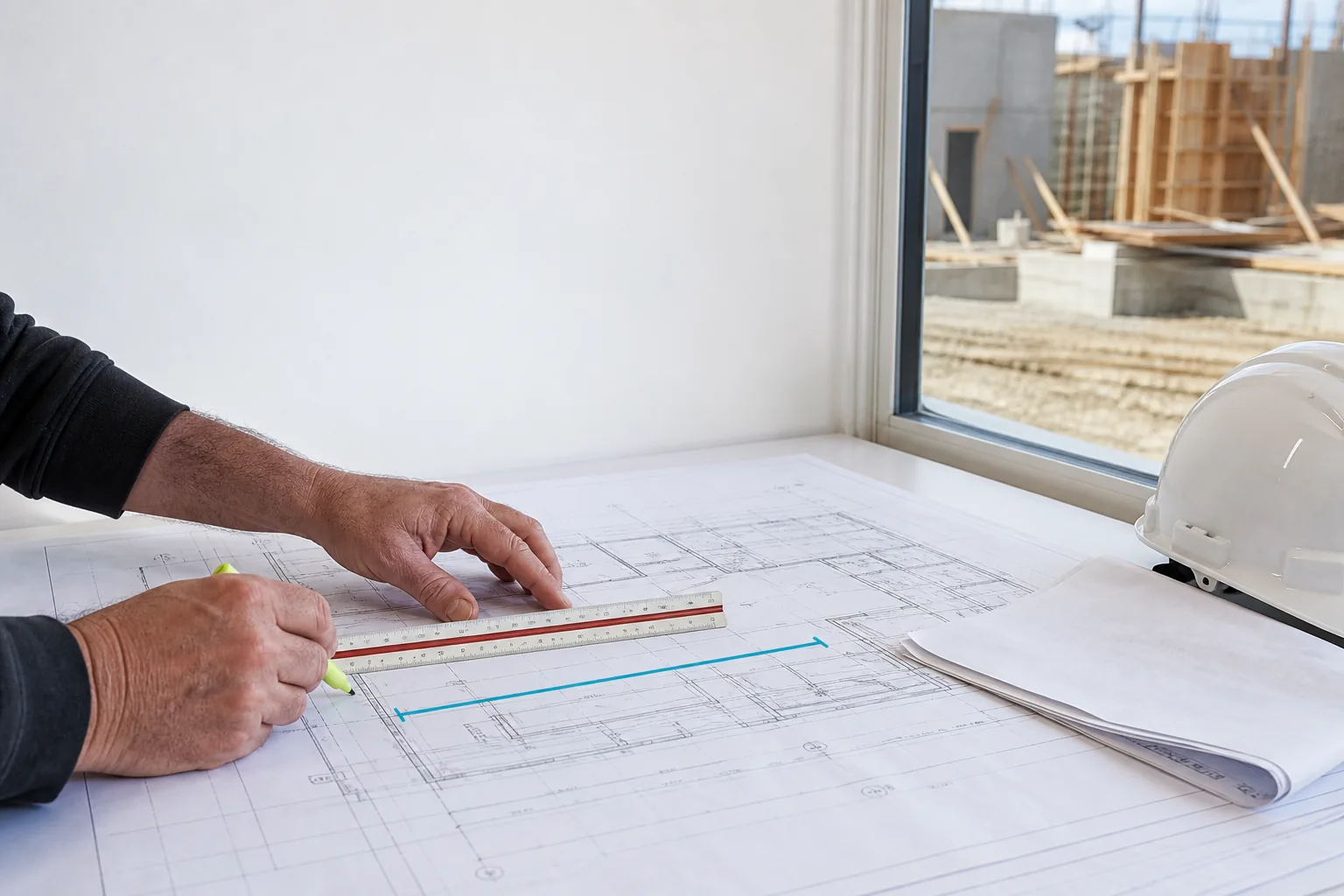
Outsourcing painting estimating costs has shifted from a backup option to a working method for many contractors. Between tighter bid deadlines, limited staff, and more detailed project drawings, estimating has become harder to manage internally.
This guide walks through what contractors actually pay, what drives those costs, and how outsourcing affects both accuracy and profit margins. It also explains why estimating is no longer just a technical task but a business decision.
Outsourcing Painting Estimating Costs
Most contractors don’t start out planning to outsource estimating. It usually happens when the workload begins to pile up or when deadlines start closing in faster than expected.
Outsourcing painting estimating costs simply means handing the takeoff and estimating work to someone outside your company. That could be a specialized estimating service or a team that focuses only on construction estimation.
But here’s where it gets more practical. Estimating is not just plugging numbers into a spreadsheet. It involves reading plans carefully, understanding scope details, calculating labor, and catching what others might miss. When that responsibility sits with one person under time pressure, things can slip.
That’s why many contractors have quietly shifted toward outsourced estimation. Not because they lack skill, but because they need consistency across multiple bids.
How Much Do Painting Estimating Services Cost?
The cost of outsourcing painting estimating services isn’t fixed, and that’s often where confusion starts. Pricing depends on how the estimate is prepared, how detailed it needs to be, and how quickly it’s required.
| Pricing Model | Typical Cost | When It Applies | What You’re Paying For |
| Per Square Foot | $0.10 – $1.50 | Standard buildings (Residential/Commercial) | Scales with complexity and size |
| Hourly | $75 – $150/hr | Complex estimates | Time-based work |
| Per Project | $300 – $5,000+ | One-off bids or specific takeoffs | Fixed output |
| Monthly Plan | $1,500 – $5,000 | High-volume bidding/GC support | Consistent support |
For example, a contractor working on a multi-story commercial painting job will usually lean toward square-foot pricing. It keeps things proportional. On the other hand, smaller residential commercial jobs often fit better under a fixed project cost.
One thing worth noting, cheaper estimates are not always better. If key details are missed, the cost shows up later in the project.
If you’re trying to understand pricing structures in more detail, understanding how much an estimate costs highlights the common approaches used across the industry.
What Affects Outsourcing Painting Estimating Costs?
Two projects might look similar at first glance, but cost very different amounts to estimate. The difference usually comes down to detail. Project size plays a role, but complexity tends to have a bigger impact. A straightforward repaint job with clear drawings is quicker to estimate than a project with multiple coatings, unclear specifications, and ongoing revisions.
Time also affects pricing. When a contractor needs an estimate quickly, it often requires the estimator to shift priorities. That naturally increases cost.
| Factor | Influence on Cost | Example |
| Size of Project | High | Large commercial site |
| Drawing Detail | Medium | Incomplete specs |
| Deadline | High | Same-day estimate |
| Type of Work | Medium | Specialty coatings |
Labor calculations also add weight to the estimate. Painting projects often involve preparation work that isn’t obvious at first glance. Skipping those details may lower the estimated cost, but it rarely helps the project later.
What Do You Actually Get from a Professional Estimating Service?
There’s a common assumption that estimating services only deliver numbers. In reality, the output is more layered than that. A complete estimate usually includes material quantities, labor projections, and notes that explain how the numbers were reached. Those notes often become useful later, especially when questions come up during bidding or execution.
Material takeoff services form the base of the estimate. These identify how much material is needed across surfaces, which helps reduce both shortages and excess. You’ll also see marked drawings. These show exactly where quantities come from. For contractors, that makes it easier to justify the estimate during reviews.
If you’re curious about how estimators extract quantities from plans, construction takeoff services involve measuring and quantifying materials directly from drawings, helping ensure accurate cost estimation and project planning.
In-House Estimator vs Outsourced Estimating Service
This comparison is often simplified to cost, but there’s more behind it.
| Category | In-House | Outsourced |
| Annual Expense | $60k – $90k | Per project cost |
| Software | Separate investment | Included |
| Capacity | Limited | Adjustable |
| Workload Handling | Fixed | Flexible |
An in-house estimator can be effective when the project flow is steady. But construction work rarely stays consistent month to month. Outsourcing construction estimating allows contractors to adjust based on demand. During busy periods, estimates can be handled without delay. During slower periods, costs remain controlled.
ROI of Outsourcing Painting Estimating Costs
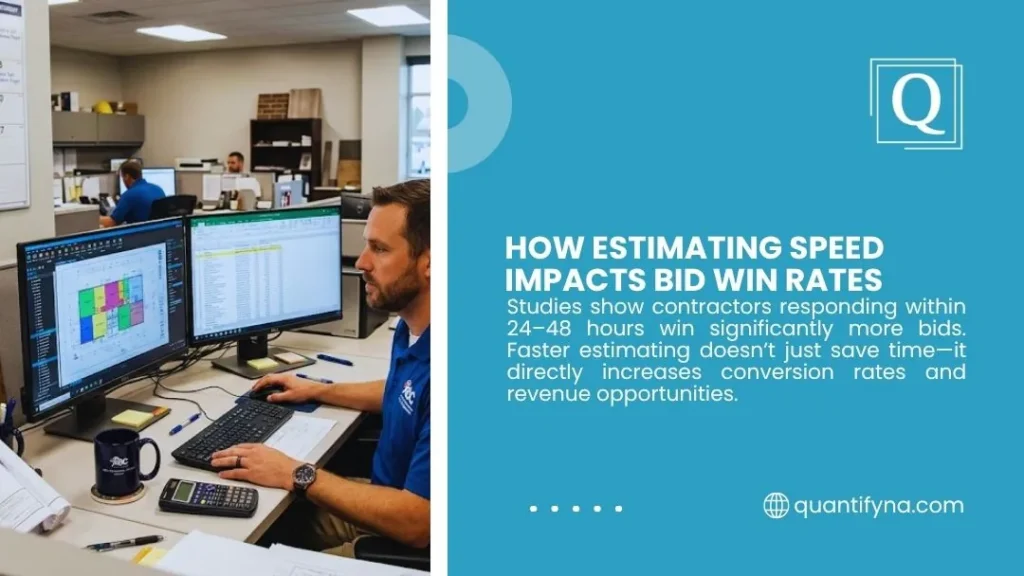
The real value of outsourcing painting estimating costs shows up after the bid is submitted. Accurate estimates reduce the risk of underpricing. That alone protects profit margins. At the same time, it prevents overpricing, which can lead to lost bids.
According to research, rework accounts for roughly 5% of total construction costs. Many of those issues trace back to early-stage estimation errors. Outsourcing helps address that. With more accurate estimates, contractors enter projects with clearer expectations.
There’s also another side to it, volume. Contractors who outsource often bid for more jobs. That increases the chances of winning work without stretching internal resources. This breakdown of the ROI of outsourcing estimating explains how these gains add up over time.
Why Contractors Are Switching to Outsourced Estimation
It’s not just about cost anymore. Availability of skilled estimators has become a challenge across the industry. At the same time, project timelines have tightened. Waiting days to prepare an estimate is no longer practical in many cases.
Outsourcing offers a way to manage both issues. Contractors gain access to experienced estimators without hiring full-time staff. It also creates consistency. Estimates follow a structured process rather than being rushed or incomplete.
Estimating without enough staff highlights why more contractors are shifting toward streamlined workflows and smarter resource allocation. When teams are short on personnel, relying on efficient estimating processes helps maintain accuracy, reduce delays, and keep projects moving without overextending available staff.
Common Mistakes That Increase Estimating Costs
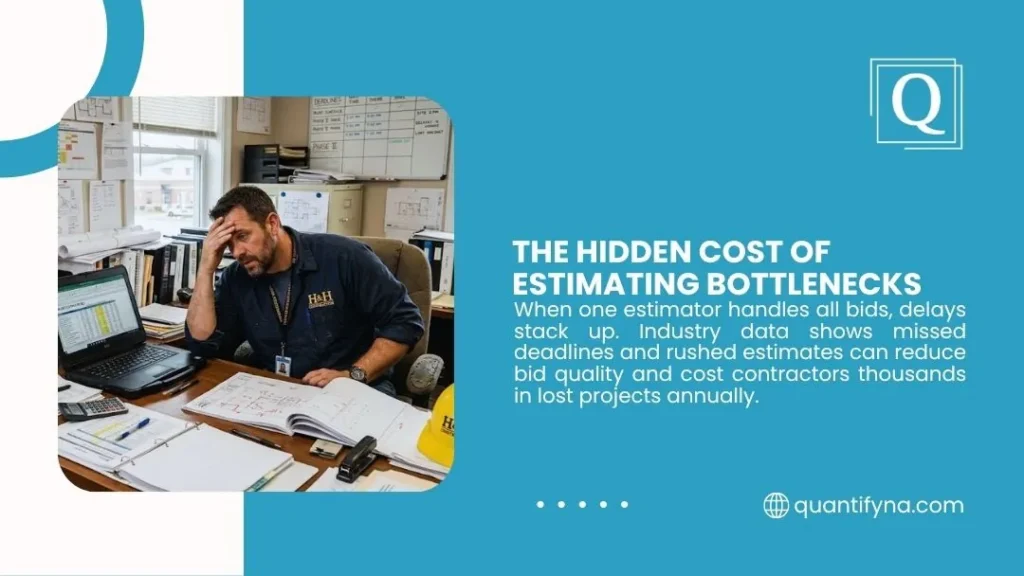
Some estimating issues don’t show up immediately, but they affect the project later. Labor is one of the most common areas where estimates fall short. Surface preparation, drying time, and multiple coats are often underestimated.
Material waste is another factor. Without accurate takeoffs, it becomes difficult to manage quantities effectively. Then there’s an incomplete scope review. Missing small details in drawings can lead to larger issues once the project begins.
Estimating errors in construction highlights how miscalculations and overlooked details can significantly impact overall project costs. Even small inaccuracies in quantities, labor, or material pricing can lead to budget overruns, delays, and reduced profitability. Understanding estimating errors cost construction helps clarify how these issues compound across different project phases and affect financial outcomes.
How to Choose the Right Painting Estimating Service
Choosing an estimating service requires more than comparing prices. Experience in commercial painting matters because these projects involve more variables. A service that understands coatings, surfaces, and project sequencing will produce more reliable estimates.
Turnaround time is another factor. Delayed estimates often mean missed opportunities. Compatibility also matters. The estimate should integrate into your workflow without requiring extra adjustments.
For a broader perspective, information on construction estimating services cost shows how these services are typically structured, including pricing models, scope variations, and the factors that influence overall project estimates.
When Outsourcing Makes the Most Financial Sense
Outsourcing painting estimating costs tends to make sense when workload increases faster than team capacity. Small teams benefit the most. Instead of hiring additional staff, they can rely on external support as needed.
It also becomes useful during peak bidding periods. When several projects require estimates at once, outsourcing helps avoid delays. Larger commercial projects also fit this model. These require more detailed estimates that take time to prepare.
Focusing on how to bid more jobs with a small team comes down to helping contractors expand their capacity without immediately increasing headcount. By improving scheduling, prioritizing high-value projects, and streamlining internal workflows, small teams can handle more bids while maintaining quality and efficiency.
Real-World Example: Cost vs Profit Impact
Consider a contractor who handles all estimates internally. They might complete ten estimates in a month. Now compare that to a contractor who outsources part of that workload. They may handle twenty or more estimates in the same time.
Even a slight improvement in bid win rate can lead to noticeable revenue growth. Accurate estimates also reduce financial risk. Contractors enter projects with better clarity on costs.
Is Outsourcing Painting Estimating Costs Worth It?
For contractors managing multiple bids, outsourcing painting estimating costs often becomes part of the workflow rather than an occasional decision. It supports accuracy, improves turnaround time, and allows teams to focus on project execution.
For smaller contractors, outsourcing may still provide value when precision matters more than speed. It comes down to how estimates fit into the overall business process.
FAQs
Are outsourced painting estimates accurate?
Yes, professional estimating services use specialized tools and experience to produce highly accurate estimates, often more detailed than in-house calculations.
How long does it take to receive a painting estimate?
Turnaround times typically range from 24 hours to a few days, depending on project size and urgency.
Is outsourcing estimating cheaper than hiring an estimator?
In many cases, yes. Hiring a full-time estimator includes salary, software, and training costs, while outsourcing allows contractors to pay per project.
Do estimating services include material takeoffs?
Yes, most services provide detailed material takeoff services, including quantities for paint, coatings, and related materials.
Can outsourcing help win more construction bids?
Accurate estimates improve bid confidence and allow contractors to submit more bids, increasing overall win rates.
What types of projects benefit most from outsourcing estimating?
Large commercial painting projects, complex scopes, and high-volume bidding scenarios benefit the most.
Do I still need estimating software if I outsource?
Not necessarily. Many estimating services include software-generated outputs, reducing the need for additional tools.
What This Means for Your Next Project
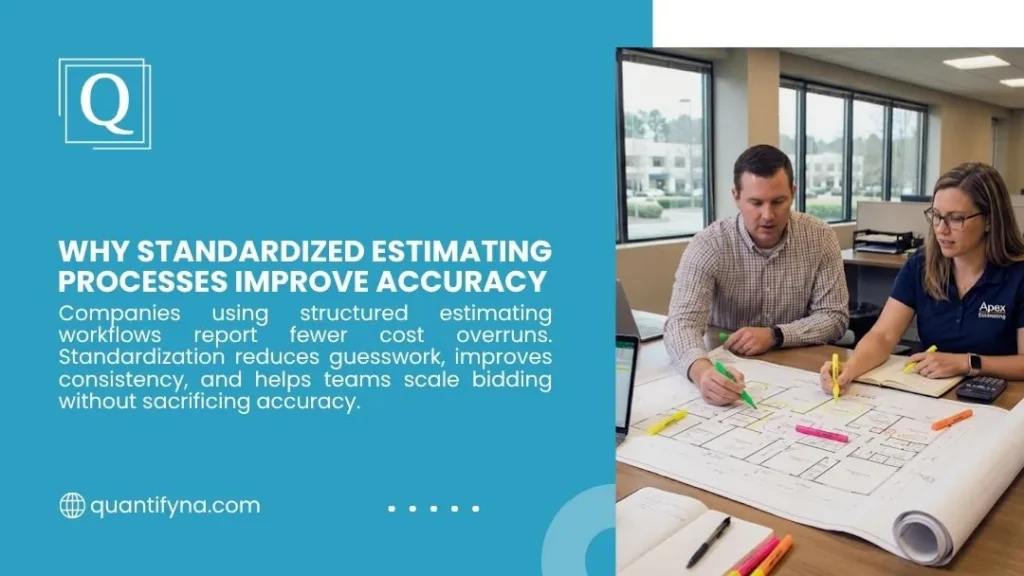
Estimating shapes how a project begins. If the numbers are off, the impact carries through the entire job. Outsourcing painting estimating costs gives contractors another way to manage that starting point more carefully.
When estimates are consistent, projects tend to follow a more predictable path. If your estimating process feels stretched or inconsistent, it may be worth exploring a different approach.
You can reach estimating professionals. Sometimes, the difference between a good project and a difficult one starts with the estimate itself.