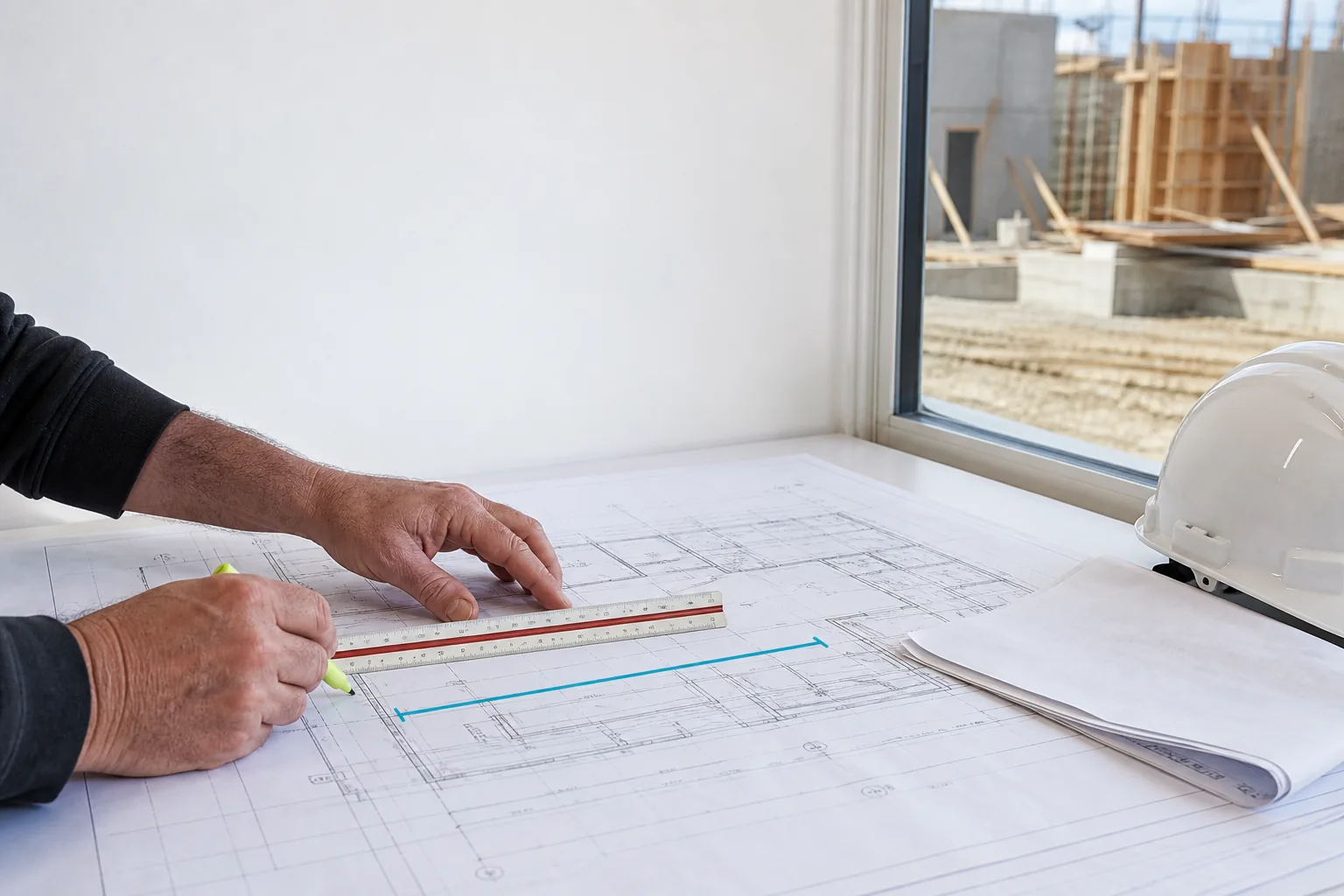
Painting contractors lose an average of $2,000-$5,000 per project when estimates miss critical cost factors. Most losses come from poor painting estimating that fails to account for prep work, material waste, or labor complexity.
As a project estimator, I have helped many painting contractors fix their estimating problems after they lost money on multiple jobs. And the successful ones all share one thing in common: they follow a systematic approach to painting estimating that captures every cost.
This guide shows you how to calculate painting costs accurately so your bids win projects while protecting your profit margins.
What Is Painting Estimating?
Painting estimating is the calculation of the total cost of painting projects by analyzing surface areas, material requirements, labor needs, and project-specific conditions. This process determines whether painting jobs generate profits or create financial losses.
Accurate painting estimating requires understanding how different surfaces, paint types, and finish quality affect both material consumption and installation time. Each project presents unique challenges that impact final costs.
Professional estimators look beyond basic wall measurements. Surface condition, ceiling height, color changes, and access difficulty all influence project expenses significantly.
The foundation of profitable painting businesses relies on consistent, accurate estimates that account for all variables while staying competitive in the market.
Key Elements of Painting Estimating
You need to know what goes into painting estimating helps contractors avoid missing important cost components. Each element contributes to the total project price.
Cost Element | What It Covers | Typical % of Total |
Paint & Materials | Paint, primer, caulk, tape, drop cloths | 25-35% |
Labor | Prep, painting, cleanup | 50-60% |
Equipment | Sprayers, ladders, scaffolding | 5-10% |
Overhead & Profit | Insurance, travel, business costs | 15-25% |
Paint and Materials include more than just paint gallons. Primer, caulk, painter’s tape, sandpaper, and protective materials all add to material costs that affect painting estimating accuracy.
Labor Costs represent the biggest expense in painting projects. Prep work often takes as much time as actual painting, so accurate labor estimates are critical for profitability.
Equipment Needs vary based on project size and building height. Sprayers speed up large jobs but require cleaning time, while scaffolding rental costs add up on multi-story projects.
Business Overhead must be included in every estimate. Insurance, vehicle costs, and administrative expenses need coverage through project pricing.
A Step-by-Step Painting Estimating Process
Good painting estimating follows a structured approach that captures all costs while maintaining competitive pricing. Each step builds toward a complete, accurate quote.
- Measure All Surfaces
Calculate square footage for walls by measuring length times height of each wall section. Add all wall sections together for total wall area.
Measure ceiling square footage by multiplying room length times width. Don’t forget to include closets, hallways, and other spaces that need painting.
- Subtract Openings and Non-Painted Areas
Deduct windows, doors, and built-in fixtures from your total square footage. Large openings significantly reduce the actual painting area and material needs.
Keep deductions reasonable because cutting around openings still requires labor time. Many contractors deduct 50% of opening sizes rather than full dimensions.
- Calculate Paint Quantities
Divide total square footage by paint coverage rate to determine gallons needed. Most paints cover 350-400 square feet per gallon, but textured surfaces require more.
Add 10-15% extra for waste, touch-ups, and future repairs. This buffer prevents running short on custom colors that may be hard to match later.
- Determine Primer Requirements
New drywall, bare wood, and dramatic color changes all require primer. Calculate primer needs separately from finish paint requirements.
Primer coverage rates differ from paint, typically ranging from 300-350 square feet per gallon. Include primer costs in your painting estimating calculations.
- Estimate Labor Hours
Factor in surface condition, which dramatically affects prep time. Smooth, clean walls paint quickly, while damaged or textured surfaces need extensive prep work.
Account for ceiling height and access challenges that slow down crews. Second-story exteriors or high interior ceilings require more time and equipment.
Common Painting Estimating Mistakes
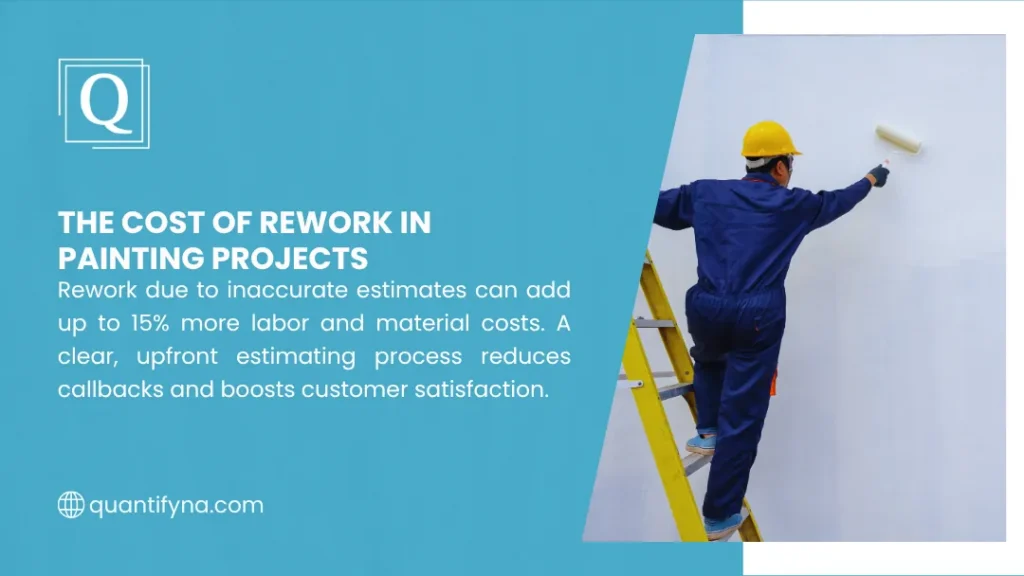
Many contractors lose money on painting projects due to predictable errors. These mistakes hurt profitability but are easy to avoid with proper planning.
Common Mistake | Cost Impact | Prevention Strategy |
Underestimating prep time | 20-40% labor overrun | Include detailed prep assessment |
Wrong paint coverage rate | 15-25% material shortage | Adjust for surface texture |
Missing specialty coatings | 10-30% cost increase | Clarify all finish requirements |
Forgetting access equipment | 15-35% equipment overrun | Plan for scaffolding and lifts |
Inadequate prep time causes the most painting estimating problems. Contractors focus on painting hours while forgetting that prep often takes longer than actual painting.
Coverage rate errors happen when estimates use standard rates for textured or porous surfaces. Rough surfaces absorb more paint and require additional coats for proper coverage.
Specialty coating oversights occur when clients want premium finishes beyond standard paint. Epoxy, elastomeric, or specialty primers cost significantly more than basic paint.
Access equipment needs get missed in painting estimating when contractors don’t visit job sites. Renting scaffolding or lifts for multi-story work adds substantial costs.
Technology for Better Painting Estimating
Modern tools make painting estimating faster and more accurate. These technologies help contractors create professional estimates while reducing calculation errors.
Painting calculator apps automate coverage calculations and material requirements. These apps account for multiple coats, primer needs, and waste factors automatically.
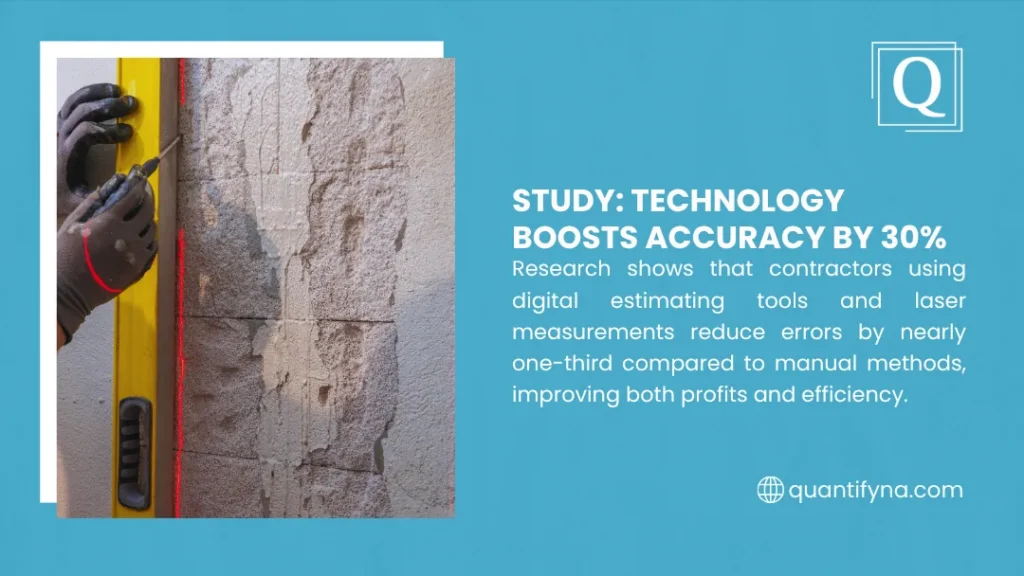
Digital measuring tools provide accurate room dimensions faster than tape measures. Laser measures handle complex angles and high ceilings efficiently.
Estimating software generates professional proposals with material lists, labor breakdowns, and pricing details. Quality software improves close rates while ensuring estimated accuracy.
Photo documentation helps identify surface conditions that affect costs. Taking photos during site visits provides reference material when preparing detailed estimates.
From working with painting contractors over the years, I have learned that technology helps but doesn’t replace experience in painting estimating. The best results come from combining digital tools with field knowledge.
Pricing Strategies for Different Markets
Painting estimating varies based on project type and client requirements. Each market segment needs different pricing approaches for profitability.
Residential interior projects typically involve smaller areas with higher quality expectations. Homeowners pay premium rates for careful work and excellent customer service.
Residential exterior jobs require more equipment and weather considerations. These projects often have tighter margins due to price competition and material costs.
Commercial interior work involves larger square footage with standardized specifications. Efficiency and accurate painting estimating become critical for maintaining profits on volume work.
Industrial projects need specialty coatings and strict safety compliance. These jobs support higher margins due to technical requirements and specialized knowledge needed.
Quality Control for Painting Estimating
Good quality control catches errors before they cost money. These verification steps ensure painting estimating accuracy and protect profit margins.
Site visits are essential for accurate estimates. Walking every job reveals surface conditions, access challenges, and special requirements that plans don’t show.
Verify color specifications because dramatic color changes require additional coats. Light to dark transitions need extra material and labor that must be included upfront.
Review past project costs to compare estimates against actual expenses. Historical data reveals patterns in your painting estimating and shows where adjustments are needed.
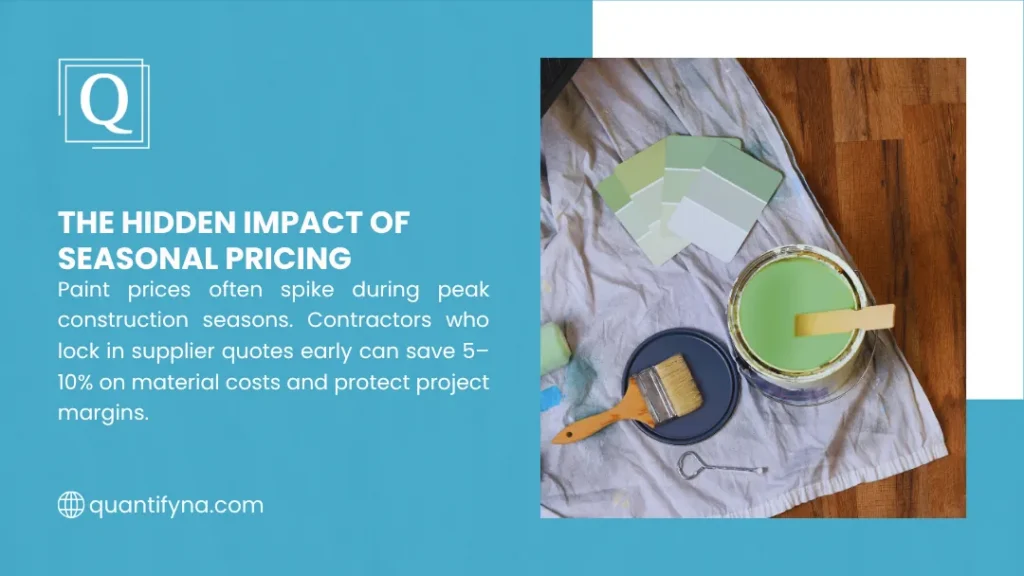
Get current material pricing from suppliers before submitting bids. Paint prices fluctuate, and using outdated costs can eliminate your profit margin quickly.
Surface Preparation Impact on Costs
Surface prep dramatically affects painting estimating accuracy because prep requirements vary widely between projects. Understanding these differences prevents costly underestimates.
New construction requires minimal prep beyond light sanding and priming. These projects allow efficient work and should be priced accordingly.
Repaint projects need varying prep levels depending on existing conditions. Peeling paint, cracks, or water damage add significant labor hours to projects.
Exterior wood surfaces often need scraping, sanding, and caulking before painting. These prep tasks can take longer than the actual painting work.
Commercial spaces may require surface cleaning, minor repairs, and extensive masking. Occupied buildings need extra care that increases labor time and costs.
Conclusion
Successful painting estimating combines systematic processes with practical experience. Contractors who master these skills win more projects while maintaining healthy profit margins.
The key is developing a consistent approach to painting estimating that accounts for all costs while remaining competitive. Technology helps, but understanding the fundamentals remains essential.
Start by implementing the step-by-step process outlined in this guide. Track your results, learn from both successful and unsuccessful bids, and continuously refine your methods.
Remember that accurate painting estimating serves both you and your clients by ensuring projects complete on budget and on schedule.
The #1 Most Trusted Painting Estimating Partner For Contractors
Quantify North America has helped contractors across North America implement accurate painting estimating solutions for over 15 years. Our team understands the unique challenges facing painting contractors and provides personalized support to ensure profitable project outcomes. Contact Quantify North America today to learn how our expert painting estimating services can protect your profit margins while winning more competitive bids. We’ll evaluate your current estimating process and recommend the best solutions for your specific business needs.