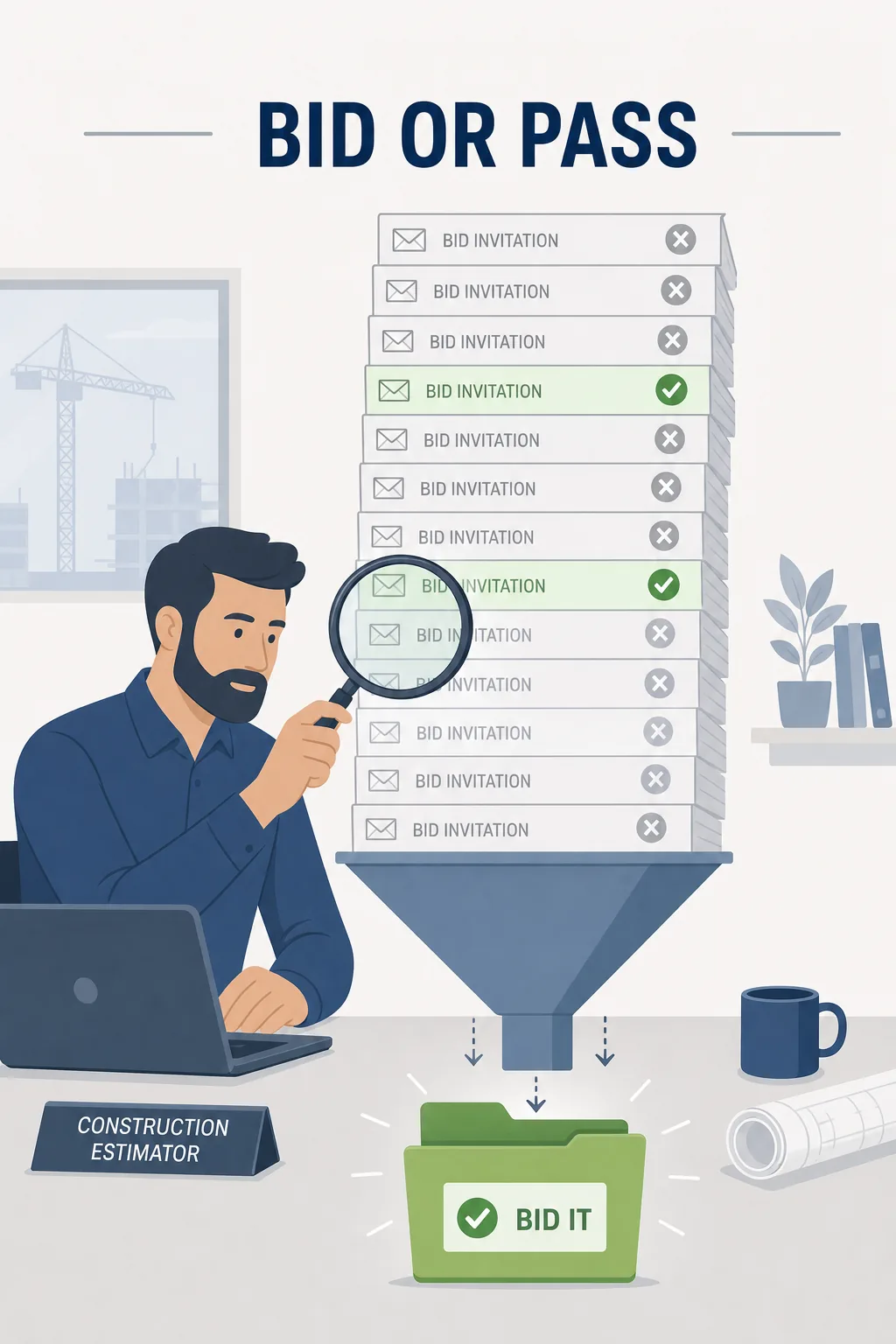
Contractors lose bids because their proposals lack professionalism or miss critical details that clients need to make decisions. A disorganized quote makes potential clients question your ability to complete quality work.
During my years helping contractors improve their bidding process, I’ve seen the difference between rushed handwritten estimates and professional proposals. The contractors who use structured templates win more projects at better prices.
This guide shows you how to create a drywall bid template that wins projects while protecting your profit margins.
What Is a Drywall Bid Template?
A drywall bid template is a standardized document that outlines project scope, material costs, labor expenses, and terms for drywall installation work. This template provides consistency across all your proposals while saving time on each new bid.
Professional templates include sections for project details, itemized costs, payment terms, and completion timelines. These elements help clients understand exactly what they’re paying for and what to expect.
Using a drywall bid template ensures you don’t forget important costs or terms on any project. This consistency protects your business while presenting a professional image to clients.
The foundation of winning profitable work relies on clear, complete proposals that clients can easily understand and compare against other bids.
Key Components of Effective Bid Templates
Understanding what goes into a drywall bid template helps create documents that win projects. Each section serves a specific purpose in the proposal.
Template Section |
What It Includes |
Why It Matters |
Contact Information |
Your business details, client info |
Professional presentation |
Scope of Work |
Detailed task descriptions |
Prevents misunderstandings |
Material Breakdown |
Itemized material costs |
Shows transparency |
Labor Costs |
Installation and finishing rates |
Justifies pricing |
Terms and Conditions |
Payment schedule, warranties |
Protects your business |
Contact Information establishes your professional identity and makes it easy for clients to reach you. Include business name, license numbers, insurance details, and contact methods.
Scope of Work describes exactly what your bid covers. Detailed descriptions prevent disputes about what’s included versus excluded from the project.
Material Breakdown lists all materials needed with quantities and costs. This transparency helps clients understand where their money goes.
Labor Costs explain installation and finishing expenses. Breaking down labor by phase shows clients the value of professional work.
Terms and Conditions protect your business through clear payment schedules, warranties, and change order procedures. These terms prevent payment problems and scope creep.Understanding proper drywall estimating helps you create accurate bid templates that reflect true project costs.

Creating Your Template Structure
Building a drywall bid template requires organizing information logically. This structure makes proposals easy to read and understand.
The Header Section starts each bid with your company branding and basic project information. Include your logo, business name, and contact details prominently.
Client Information identifies who the bid is for with complete contact details. Add project address if different from client’s main address.
Project Overview summarizes the work in a few sentences. This quick description helps clients confirm they’re looking at the right proposal.
Detailed Scope breaks down every task you’ll perform. List each room or area separately with specific work descriptions for clarity.
Cost Breakdown itemizes materials and labor with individual line items. This transparency builds trust and helps clients understand your pricing.
Total Investment summarizes all costs clearly. Include subtotals for materials, labor, and any additional fees before showing the final total.
The timeline explains how long the project will take. Give start and completion dates along with major milestone timing.
Payment Terms outline when and how much clients pay. Specify deposit amounts, progress payments, and final payment requirements.
Material and Labor Pricing
Accurate pricing in your drywall bid template protects profits while staying competitive. Breaking down costs helps clients understand value.
Material Costs should reflect current market prices plus a reasonable markup. Update these regularly because drywall prices fluctuate with market conditions.
Standard 1/2-inch sheets cost $12-$20 each depending on location. Joint compound, tape, fasteners, and corner bead add $0.50-$1 per square foot.
Labor Pricing reflects the time and skill needed for quality installation. Consider the labor cost to hang and finish drywall when setting rates for your market.
Most contractors charge $1.50-$3.00 per square foot for complete installation and finishing. This rate varies by region, project complexity, and finish level.
Markup Percentages cover business overhead and profit. Apply 15-25% markup on materials and ensure labor rates include profit margins.
Including accurate drywall cost information in your templates helps clients see you understand market pricing and industry standards.
Professional Presentation Tips
How you present your drywall bid template affects client perception and win rates. Professional documents win more projects at better prices.
Presentation Element |
Impact on Success |
Implementation |
Clean Formatting |
High |
Use consistent fonts and spacing |
Branded Header |
Medium |
Include logo and company colors |
Itemized Pricing |
Very High |
Break down all costs clearly |
Professional Language |
Medium |
Avoid slang and errors |
Clean Design with consistent formatting makes proposals easy to read. Use headers, bullet points, and white space effectively.
Your Branding throughout the document reinforces your professional identity. Include your logo, company colors, and contact information on every page.
Clear Language explains work and costs without industry jargon. Write for homeowners who may not understand construction terms.
Error-Free Content shows attention to detail. Spelling and math errors make clients question your quality standards.Digital Delivery allows quick responses to bid requests. PDF format preserves formatting across different devices and prevents unauthorized changes.

Common Bid Template Mistakes
Many contractors hurt their win rates through preventable proposal errors. Avoiding these mistakes improves your success with bids.
Vague Scope Descriptions create confusion about what’s included. Specify exact work for each area rather than general statements.
Missing Cost Items eliminate profit when forgotten expenses must be absorbed. Use checklists to ensure every material and task gets included.
Unclear Payment Terms lead to collection problems. State deposit amounts, progress payment triggers, and final payment timing explicitly.
No Warranty Information makes clients question your confidence in quality. Include clear warranty terms for materials and workmanship.
Unrealistic Timelines damage credibility when projects take longer than promised. Build buffer time into schedules for weather and unexpected issues.
Using proper drywall takeoff methods ensures your bid templates include accurate material quantities that support reliable pricing.
Digital vs Paper Templates
Different formats for your drywall bid template offer various advantages. Understanding these helps choose the right approach for your business.
Digital Templates in Word or Excel allow quick editing and reprinting. These work well for contractors who prepare bids in the office.
PDF Forms maintain formatting across devices and can include fillable fields. This format looks professional when emailed to clients.
Mobile Apps let you create bids during site visits. Quick turnaround impresses clients and helps close more sales.
Cloud-Based Systems store templates and past bids for easy access anywhere. These platforms often include automatic pricing updates and client management.
Customizing for Different Projects
A good drywall bid template adapts to various project types. Flexibility helps you bid on residential, commercial, and specialty work.
Residential Projects need friendly language and detailed explanations. Homeowners appreciate clear descriptions of what you’ll do.
Commercial Bids require formal language and compliance documentation. Include license numbers, insurance certificates, and safety plans.
Small Repairs benefit from simplified templates with fewer sections. Quick quotes for minor work don’t need extensive detail.
Large Renovations need comprehensive templates with phased pricing. Break complex projects into stages with separate timelines and payments.
Conclusion
A professional drywall bid template improves your win rate while protecting business interests. Standardized proposals save time and ensure consistency across all your bids.
The right template includes complete scope descriptions, itemized pricing, clear terms, and professional presentation. These elements build client confidence in your capabilities.
Whether bidding residential or commercial work, having organized proposals separates you from competitors using handwritten estimates. Investment in good templates pays off through more wins at better prices.
Remember that your bid represents your business before clients meet you in person. Make every proposal count with professional, complete documentation.

The #1 Most Trusted Drywall Bid Template Partner For Contractors
Quantify North America has helped contractors across North America implement professional bidding systems and templates for over 15 years. Our team understands the unique challenges facing drywall contractors and provides personalized support to ensure profitable project outcomes.
Contact Quantify North America today to learn how our expert services can help you create winning bid templates that protect your margins while increasing your close rate. We’ll evaluate your current bidding process and recommend the best solutions for your specific business needs.