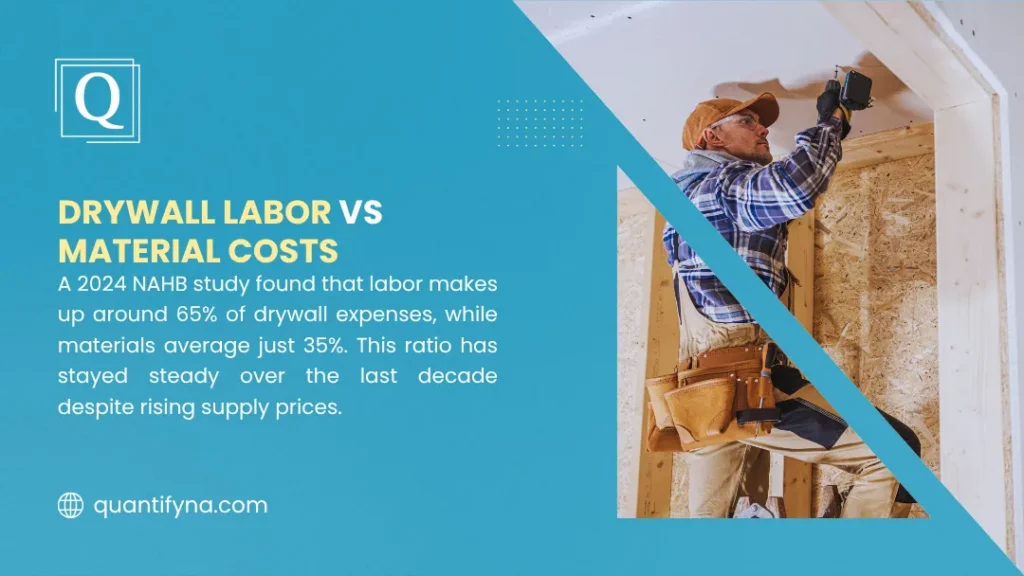
Labor expenses surprise most homeowners because they expect materials to be the biggest cost. The reality is that labor typically represents 60-70% of total project expenses.
During my years helping contractors price drywall jobs, I have seen people shocked when labor quotes exceed material costs by double or triple. The contractors who explain these costs upfront have happier clients and fewer payment disputes. A structured bid template for drywall proposals gives you a place to break out labor line by line so clients see exactly what they are paying for.
This guide breaks down exactly what you pay for when hiring drywall professionals and why labor costs what it does.
What Determines Labor Costs
Multiple factors affect how much you’ll pay for professional drywall installation. Understanding these variables helps explain price differences between quotes.
Factor | Low Cost Impact | High Cost Impact |
Project Size | 2,000+ SF | Under 500 SF |
Ceiling Height | 8 feet standard | 10+ feet or vaulted |
Finish Level | Level 3 basic | Level 5 premium |
Access Difficulty | Open spaces | Occupied or tight areas |
Breaking Down Installation Phases
The labor cost to hang and finish drywall involves distinct phases that each require different skills and time. Understanding these steps shows where your money goes.
| Installation Phase | What’s Involved | Time/Difficulty Factor |
| Hanging Drywall | Measuring, cutting, lifting, fastening | 500-800 SF daily (walls), 300-500 SF (ceilings) |
| Taping Joints | Applying compound, embedding tape | 24-hour drying between coats |
| Additional Coats | Building up compound for level surfaces | 2-3 coats needed, drying time required |
| Sanding & Finishing | Smoothing compound, preparing for paint | Level 5 takes 2x longer than Level 3 |
Understanding drywall cost components helps you see how labor and materials combine to create total project expenses.
Average Labor Rates by Region
Labor rates vary significantly across different markets. These regional differences reflect local wage levels, competition, and demand.
Region Type | Rate Per Square Foot | Rate Per Hour |
Major Metro Areas | $2.50-$4.00 | $50-$80 |
Mid-Size Cities | $1.75-$3.00 | $40-$65 |
Rural Areas | $1.25-$2.25 | $35-$55 |
Urban Markets have higher rates due to increased living costs and strong demand. Competition among contractors can moderate prices in markets with many installers.
Suburban Areas typically fall between urban and rural pricing. These markets balance accessibility with lower overhead than city locations.
Rural Locations offer lower rates but may have fewer qualified contractors available. Limited options can reduce your negotiating power on pricing.
Seasonal Demand affects rates in all regions. Spring and summer bring higher prices when construction activity peaks across most markets.
Getting quotes from 3-4 local contractors provides accurate pricing for your specific area and project timing.
Per Square Foot vs Hourly Pricing
Contractors price drywall work using different methods. Understanding these approaches helps you evaluate quotes and compare options.
Per square foot pricing gives fixed costs based on total area. This method provides predictable budgets and is most common for residential projects.
Rates typically range from $1.50-$4.00 per square foot for complete installation and finishing. This includes all labor from hanging through final finishing.
Hourly rates work better for small repairs or complex projects where square footage doesn’t capture difficulty. Contractors charge $40-$80 per hour depending on location.
Hourly pricing can cost more on projects with extensive prep work or access challenges. These factors slow progress and increase total hours needed.
Hybrid pricing combines both methods for projects with standard and complex areas. Main rooms get per-square-foot pricing while difficult spaces get hourly rates.From my experience with drywall estimating, contractors who clearly explain their pricing method upfront build better client relationships and have fewer payment disputes.
What Affects Labor Time
Several factors beyond square footage impact how long installation takes. These variables explain why similar-sized projects can have different labor costs.
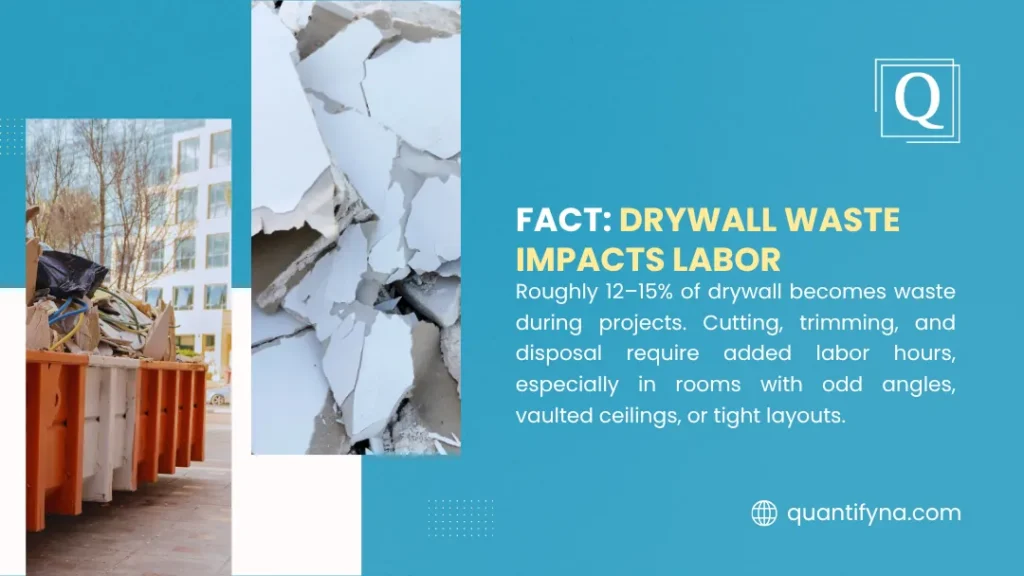
Room configuration affects efficiency because open layouts install faster than spaces with many corners and angles. Each corner requires cutting and additional finishing work.
Existing conditions impact prep time needed before hanging new drywall. Removing old material, repairing framing, or dealing with utilities adds hours.
Material access influences crew efficiency. Easy delivery to work areas speeds installation, while difficult access from parking or narrow hallways slows crews down.
Finish quality requirements change the time needed for completion. Premium finishes need more coats, longer sanding, and careful inspection between steps.
Working conditions like occupied spaces or weather protection needs slow progress. Crews work faster in empty buildings than around furniture and residents.
DIY vs Professional Labor Costs
Many homeowners consider doing drywall work themselves to save money. This comparison shows the real cost difference.
DIY Time Investment is substantial for people without experience. What professionals complete in 3-5 days takes homeowners 3-4 weeks of evenings and weekends.
Tool and Equipment Costs add up quickly. Lifts, screw guns, taping tools, and sanders cost $300-600 to buy or rent for first-time projects.
Skill and Quality Differences show up most in finishing work. Poor finishing creates wavy walls that need expensive professional repairs to fix.
Professional Efficiency comes from experience and proper tools. Crews complete work faster while achieving better results than most DIYers can manage.
Approach | 1,000 SF Cost | Timeline | Typical Result |
Full DIY | $400-$800 (materials only) | 3-4 weeks | Varies widely |
Professional | $1,500-$3,000 (labor) | 3-5 days | Consistent quality |
Most people who try DIY drywall hire professionals to fix finishing problems. This double cost eliminates any savings from DIY attempts.
How to Get Accurate Labor Quotes
Getting reliable quotes requires providing complete project information. These steps help contractors give accurate pricing.
Provide detailed measurements including total square footage, ceiling heights, and room configurations. Accurate measurements prevent change orders later.
Specify finish requirements clearly because different levels need different labor amounts. Show contractors examples of quality you expect.
Discuss timeline expectations because rushed jobs cost more than flexible schedules. Contractors charge premiums for tight deadlines or weekend work.
Ask about prep work included in quotes to avoid surprises. Clarify whether removal, disposal, and repairs are covered in the price.
Get everything in writing with detailed scope descriptions. Written quotes protect both you and contractors from misunderstandings.
Understanding drywall cost components helps you evaluate whether quotes include all necessary work or just basic installation.
Conclusion
The labor cost to hang and finish drywall represents the largest expense in most projects. Understanding what drives these costs helps you budget accurately and evaluate contractor quotes.
Multiple factors from ceiling height to finish quality affect total labor needs. Getting detailed quotes that break down each phase of work provides clarity for budget planning.
Whether handling small repairs or whole-house projects, knowing typical labor rates helps you recognize fair pricing. Quality installation and finishing provides value through durability and appearance.
Remember that cutting labor costs too aggressively often leads to poor results. Hiring experienced professionals costs more upfront but saves money by avoiding repairs and delivering quality work.
The #1 Most Trusted Drywall Labor Cost Planning Partner For Contractors
Quantify North America has helped contractors across North America implement accurate labor cost planning and estimating solutions for over 15 years. Our team understands the unique challenges facing drywall contractors and provides personalized support to ensure profitable project outcomes. Contact Quantify North America today to learn how our expert services can help you understand and price labor costs accurately while winning more competitive bids. We’ll evaluate your current process and recommend the best solutions for your specific business needs.