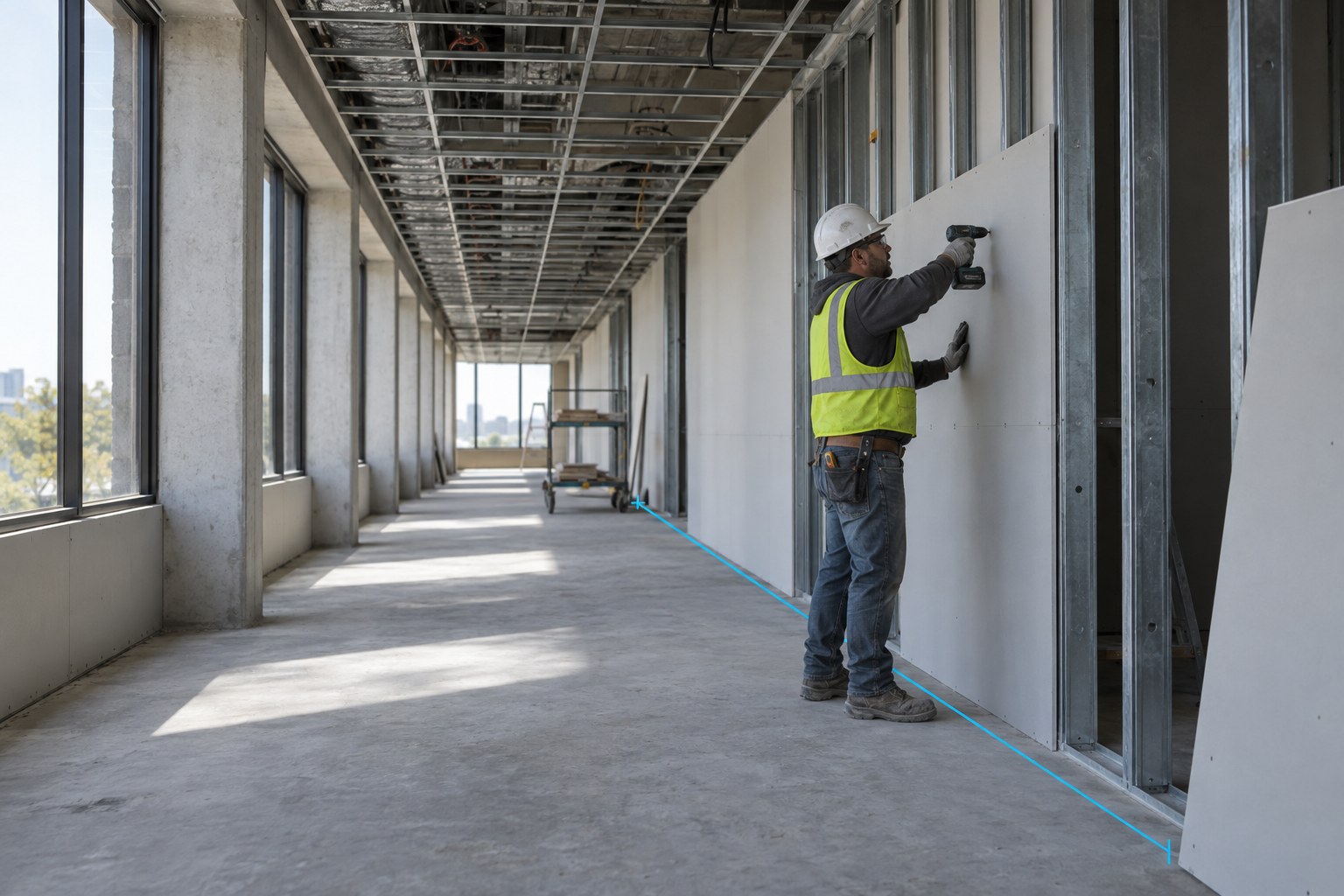
Material shortages cost contractors time and money when projects stop while waiting for additional deliveries. Running out of drywall sheets, joint compound, or fasteners happens when takeoffs miss critical measurements.
I have worked with contractors who lost thousands because poor takeoffs forced them to order emergency material deliveries at premium prices. Those emergency orders are a small piece of a much bigger problem: research on how estimating errors cost construction projects millions across the USA shows takeoff mistakes compound into blown budgets and lost margin on entire jobs. The ones who stay profitable have systematic approaches to measuring and calculating material needs. Before you price your next job, review the common materials estimating mistakes that quietly erode margins on otherwise well-run projects.
This guide shows you how to perform accurate drywall takeoffs that prevent shortages while avoiding excessive waste that hurts profits. If you handle more than drywall, these take off estimating tips cover the measuring habits that carry across every trade you quote.
What Is Drywall Takeoff?
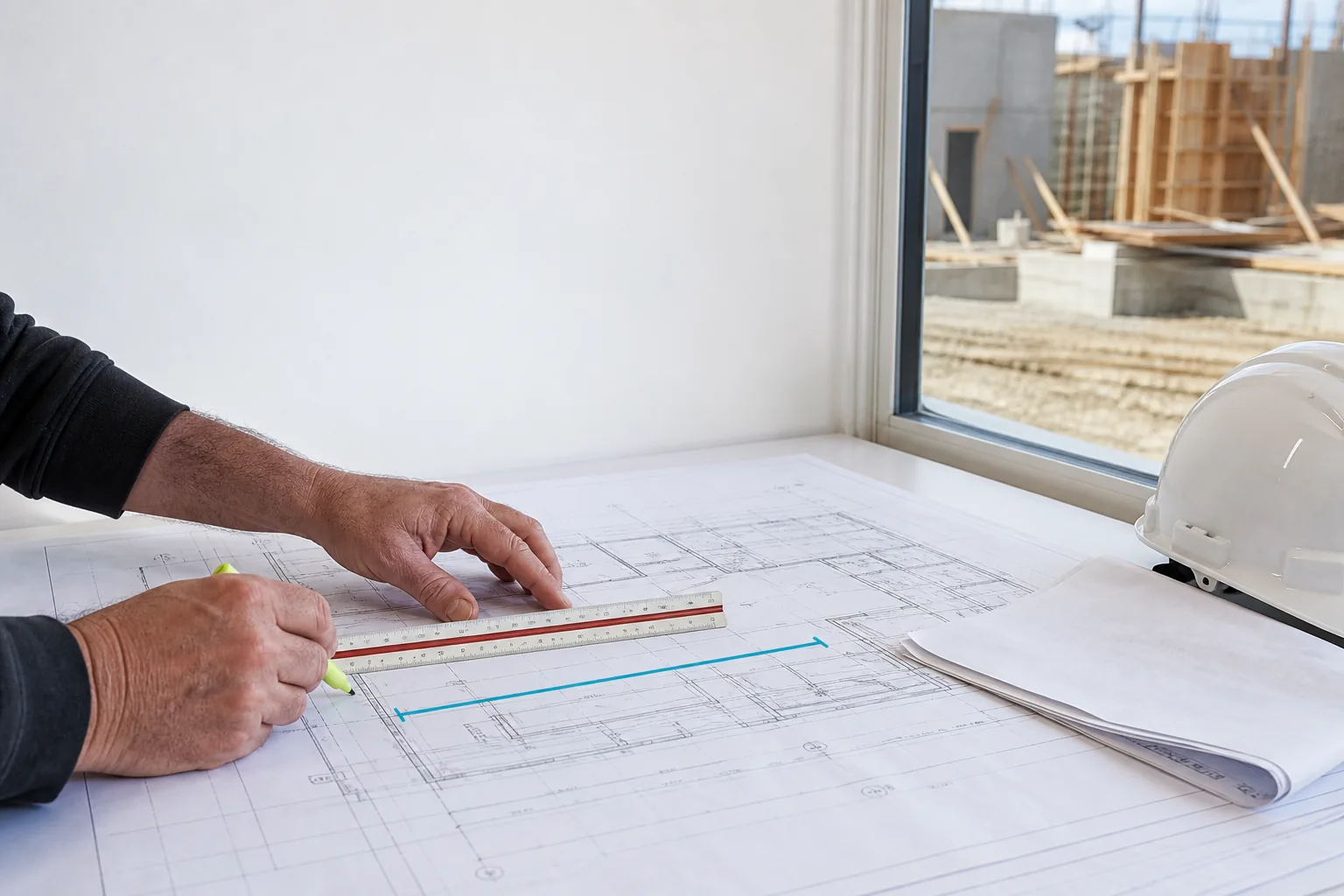
Drywall takeoff is the process of measuring project areas and calculating exact material quantities needed for installation. This calculation determines how many sheets, fasteners, tape, and compound to order before starting work.
Accurate takeoffs require measuring all walls and ceilings that need drywall coverage. These measurements then convert into material lists that include appropriate waste factors for cuts and damage.
Professional takeoffs account for sheet sizes, layout patterns, and opening deductions. Each factor affects how efficiently materials cover surfaces and how much waste the project generates.
The foundation of profitable drywall projects relies on precise takeoffs that order enough materials without excess inventory that ties up capital.
Why Accurate Takeoffs Matter
Poor takeoffs create problems that affect project timelines, costs, and profitability. Understanding these impacts shows why investing time in accurate measurements pays off.
Material shortages stop projects while crews wait for deliveries. This downtime costs money through idle labor and extended project schedules that delay other jobs.
Excess materials tie up cash in unused inventory. Returning materials costs time and often involves restocking fees that reduce profits.
Budget overruns happen when emergency orders need rush delivery fees. Last-minute material purchases typically cost 20-30% more than planned orders.
Client dissatisfaction results from delays caused by material problems. Projects that run over schedule damage contractor reputations and reduce referral business.
Takeoff Error | Typical Cost Impact | Project Delay |
10% Material Shortage | $200-$500 extra | 1-2 days |
20% Material Excess | $400-$800 waste | Reduced cash flow |
Emergency Orders | 20-30% premium | 1-3 days |
Step-by-Step Drywall Takeoff Process
Systematic approaches to drywall takeoff produce consistent, accurate results. Following these steps ensures complete material lists that cover all project needs.
- Measure All Surfaces
Start by measuring every wall and ceiling that needs drywall. Record length and height for walls, length and width for ceilings.
Break complex spaces into rectangular sections for easier calculations. Measure each section separately and label clearly on your takeoff sheet.
- Calculate Total Square Footage
Multiply length times height for each wall section. Add all wall sections together for total wall square footage.
Calculate ceiling areas by multiplying length times width. Combine wall and ceiling totals for complete project square footage.
- Deduct Openings
Subtract windows, doors, and large openings from your totals. Standard practice deducts openings over 32 square feet at full size.
Smaller openings often stay in calculations because cutting around them creates waste similar to covering them. This approach balances accuracy with practical waste factors.
- Determine Sheet Quantities
Divide total square footage by sheet coverage area. Standard 4×8 sheets cover 32 square feet, while 4×12 sheets cover 48 square feet.
Add waste factors based on project complexity. Simple layouts need 10% waste, while complex spaces with many cuts require 15% or more.
- Calculate Fasteners and Tape
Estimate screws based on 1 pound per 5 sheets of drywall. This standard ratio covers typical fastener spacing requirements.
Calculate tape by measuring linear feet of all seams, then adding 10% for waste. Joint compound needs roughly 1 gallon per 100 square feet.

Common Drywall Takeoff Mistakes
Many takeoff errors follow predictable patterns. Avoiding these common mistakes improves accuracy and prevents material problems.
Missing areas like closets, soffits, or small spaces add up to significant square footage. Walk every space and measure everything that needs coverage.
Wrong sheet size calculations happen when people forget sheets come in different sizes. Using 4×12 sheets where plans show 4×8 affects quantity needs significantly.
Inadequate waste factors cause shortages on projects with complex layouts. Increase waste percentages when projects involve many cuts or difficult access.
Forgetting specialty materials like moisture-resistant or fire-rated sheets costs money when wrong materials arrive. Mark which areas need special sheet types on your takeoff.
Compound underestimation occurs when people forget different finish levels need different amounts. Level 5 finishes require twice the compound of Level 3.
Manual vs Digital Takeoff Methods
Different approaches to drywall takeoff offer various benefits and drawbacks. Understanding these differences helps choose the right method for your needs.
Method | Time Required | Accuracy | Cost |
Manual Measurement | 2-4 hours per project | Good if careful | Free (tape measure) |
Digital Takeoff Software | 30-60 minutes per project | Excellent | $50-$200 monthly |
Professional Services | Quick turnaround | Very accurate | $100-$300 per project |
Manual takeoffs using tape measures and calculators work fine for small projects. This approach requires careful attention to detail and good note-taking.
Digital takeoff software measures directly from plans and automates calculations. These tools reduce errors and speed up the process significantly.
Professional takeoff services handle measurements for contractors who prefer focusing on installation. Outsourcing saves time but adds cost to project budgets.
From my experience helping contractors improve accuracy, the right method depends on project volume and complexity rather than one approach being universally better.

Tips for More Accurate Takeoffs
These strategies help improve drywall takeoff accuracy while reducing time spent on measurements and calculations.
Use Consistent Methods for every project. Developing standard procedures reduces errors and speeds up the process through repetition.
Double-Check Measurements by having someone else verify totals. Fresh eyes catch mistakes that you might miss after hours of calculation.
Account for Ceiling Height because higher walls need more material. Ten-foot ceilings require 25% more drywall than eight-foot ceilings.
Plan Sheet Layout before ordering to minimize waste. Strategic placement reduces cuts and maximizes coverage from each sheet.
Track Actual Usage against takeoff quantities on completed projects. This data reveals patterns in your calculations and shows where adjustments improve accuracy.
Technology Tools for Takeoffs
Modern software and apps improve drywall takeoff speed and accuracy. These tools help contractors compete effectively while maintaining quality.
Takeoff Software measures directly from digital plans. Programs automatically calculate square footage and generate material lists with customizable waste factors.
Mobile Apps let contractors perform takeoffs during site visits. Quick calculations help with immediate estimates and client conversations.
Cloud Platforms store project data and allow team collaboration. Multiple people can review and verify takeoffs before ordering materials.
Integration with Suppliers enables direct ordering from takeoff software. This connection reduces ordering errors and speeds up material delivery.
Conclusion
Accurate drywall takeoff separates profitable contractors from those struggling with material problems and cost overruns. Taking time to measure carefully and calculate correctly prevents expensive mistakes.
The process requires systematic approaches that account for all surfaces, appropriate waste factors, and specialty materials. Technology helps but doesn’t replace the need for understanding fundamentals.
Whether using manual methods or digital tools, consistency and verification produce the best results. Track your accuracy over multiple projects and continuously refine your approach.
Remember that materials represent significant project costs. Getting takeoffs right the first time protects profits while keeping projects on schedule.

The #1 Most Trusted Drywall Takeoff Partner For Contractors
Quantify North America has helped contractors across North America implement accurate takeoff solutions for over 15 years. Our team understands the unique challenges facing drywall contractors and provides personalized support to ensure profitable project outcomes.
Contact Quantify North America today to learn how our expert drywall takeoff services can eliminate material shortages and waste while protecting your profit margins. We’ll evaluate your current process and recommend the best solutions for your specific business needs.