
If you’ve ever wondered how many painting jobs should I bid per week, the real answer depends on your close rate, crew capacity, revenue goals, and market type. This guide breaks it down with real math, real data, and practical forecasting so you don’t underbid, overbook, or stall your painting company’s growth.
How Many Painting Jobs Should I Bid Per Week?
The question of how many painting jobs should I bid per week is not about hustle. It’s about math. Most painting companies close between 30% and 50% of the jobs they bid. That means if you want to land 5 painting jobs per week and your close rate is 40%, you need to bid around 12 to 13 jobs weekly. Here’s the basic formula:
Required Won Jobs ÷ Close Rate = Weekly Bid Volume
So if your painting company needs 8 jobs per week to keep crews busy and your close rate is 35%, you must bid roughly 23 jobs weekly. That’s why asking how many painting jobs should I bid per week without knowing your numbers leads nowhere. Below is a simple modeling example:
| Jobs Needed Weekly | Close Rate | Bids Required Per Week |
| 4 | 50% | 8 |
| 6 | 40% | 15 |
| 8 | 35% | 23 |
| 10 | 30% | 34 |
This is where most contractors miscalculate. They guess. They don’t track. Then they wonder why the calendar looks thin two weeks later.
What Is the Average Close Rate for a Painting Company?
According to industry construction data and contractor benchmarks, residential repaint close rates often land around 30%–55%, while commercial hard bids frequently sit closer to 10%–20% (negotiated commercial work can run higher).
According to 2024 U.S. Bureau of Labor Statistics data, approximately 342,200 painters are employed in construction and maintenance roles. Residential repaint clients who found you through referral might close at 60%. Commercial general contractor bid boards? Sometimes 15%.
That changes the answer to how many painting jobs should I bid per week dramatically. Here’s what I’ve found from contractor benchmarking reports:
| Lead Source | Typical Close Rate |
| Referral | 50–65% |
| Website inbound | 40–55% |
| Door knocking | 15–25% |
| Online bid platforms | 15–30% |
| Commercial GC hard bids | 15–25% |
If most of your bidding paint jobs come from competitive platforms, your weekly bid volume must increase to offset the cost.
Revenue Modeling: The Real Way to Answer the Question
When contractors ask how many painting jobs they should bid per week, they often skip one critical step: revenue absorption. It isn’t enough to calculate weekly income targets. You also need to understand fixed overhead, labor burden, equipment costs, and seasonal fluctuations.
Start with overhead. If your painting company carries $18,000 per month in fixed expenses, office rent, insurance, vehicle payments, software, and admin payroll, that equals $4,500 per week before a brush ever touches a wall.
Next comes labor burden. Labor burden adds 20–30% above base wages. If painters earn $25 per hour, the actual cost often exceeds $32 per hour when payroll taxes and insurance are included.
Now layer profit. Healthy painting companies aim for 10%–20% net margin after expenses. So instead of asking only how many painting jobs I should bid per week, reframe the question: How many jobs must I win weekly to cover overhead, labor burden, and profit expectations?
Example scenario:
Weekly overhead: $4,500
Desired net profit: $3,000
Total required gross margin: $7,500
If your average job contributes $2,500 in gross margin, you need three wins weekly just to stay healthy. Then apply the close-rate formula to determine bid volume.
Revenue modeling should always connect:
Revenue goal → Margin per job → Jobs required → Close rate → Weekly bids required
Without that sequence, bidding becomes reactive rather than controlled. This is where professional construction estimating systems improve forecasting. Detailed cost breakdowns and quantity verification reduce guesswork and protect margin discipline.
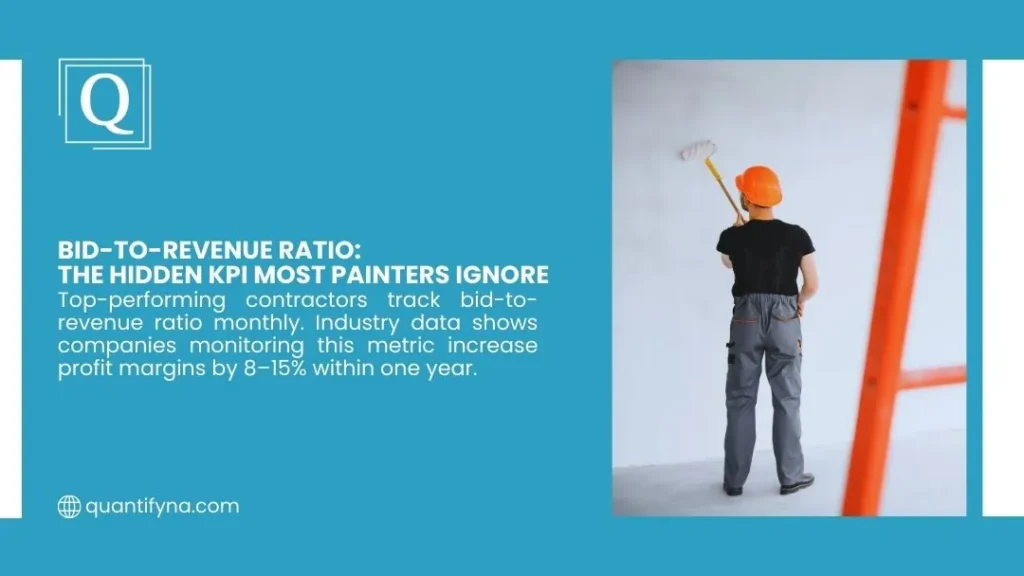
How Do You Bid a Painting Job Without Overbooking Yourself?
Many contractors know pricing basics, but scheduling discipline separates sustainable businesses from chaotic ones. Accurate scope definition is critical. When takeoffs are rushed, timelines extend. When timelines extend, capacity shrinks. That forces you to reconsider how many painting jobs you should bid per week. Weekly volume is one constraint, and what tight turnarounds cost your numbers is the other, covered in a companion guide.
Detailed quantity reviews through proper painting estimating processes help protect schedule integrity.
Track historical data:
- Average labor hours per project
- Change order frequency
- Weather delay patterns
- Crew utilization rate
If your crew consistently produces 120 billable hours weekly and the average job requires 90 hours, you cannot safely schedule more than one full project at a time without compression. Precision during estimating prevents production strain. For larger commercial painting jobs, structured workflows are used to improve predictability before committing to aggressive bid volume.
Residential vs Commercial: The Volume Difference
Understanding how to bid commercial painting jobs versus residential work changes everything. Residential painting jobs close faster, usually smaller ticket, and have shorter timelines. Commercial painting involves longer bid cycles, submittals, and tighter margins.
If your average commercial paint bid is $80,000 and your close rate is 20%, you may need five bids to win one project. That alters how many painting jobs should I bid per week significantly. Here’s a comparison:
| Category | Avg Job Value | Close Rate | Bids Needed for 1 Win |
| Residential | $5,000 | 45% | 2–3 |
| Light Commercial | $25,000 | 30% | 3–4 |
| Large Commercial | $100,000 | 20% | 5 |
Commercial bidding also requires stronger documentation and bid accuracy. Contractors focused on improving their construction bid win rate often reduce required weekly bid volume by increasing precision rather than volume.
How to Bid Exterior Painting and Interior Projects Strategically
Exterior and interior painting demand different forecasting strategies. If you treat them the same, your scheduling math breaks down, and that directly impacts how many painting jobs should I bid per week.
Exterior projects carry environmental risk. Weather delays, substrate moisture levels, and seasonal slowdowns affect timeline reliability. Interior projects, by contrast, tend to follow real estate turnover, tenant improvements, and renovation cycles. They’re less weather-dependent but often require tighter coordination with other trades.
Strategic bidding means adjusting both pricing structure and weekly volume targets based on project type. For exterior work, build in realistic weather allowances and longer curing timelines. For interior jobs, anticipate coordination delays with electricians, drywall crews, or flooring installers.
Here’s a strategic breakdown:
| Project Type | Risk Variable | Scheduling Impact | Close Rate Trend | Bid Volume Strategy |
| Residential Exterior | Weather delays | Possible 2–5 day shifts | Moderate (35–45%) | Moderate volume with buffer |
| Commercial Exterior | Extended approvals + weather | Longer bid cycle | Lower (20–30%) | Fewer bids, higher value focus |
| Residential Interior | Client schedule flexibility | Short duration | Higher (40–55%) | Higher frequency possible |
| Commercial Interior | Multi-trade coordination | Phased scheduling | Moderate (25–35%) | Targeted bids with detailed scope |
Exterior jobs typically require conservative forecasting. If you overcommit during peak season, your capacity shrinks quickly when rain delays stack up. That forces you to revisit how many painting jobs should I bid per week because backlog compression reduces available production windows.
Interior jobs allow more controlled planning. However, coordination delays with drywall finishing or flooring installation can create unexpected idle time if sequencing isn’t verified.
For contractors estimating larger commercial interiors, a structured approach similar to those used when learning how to estimate large commercial painting jobs improves accuracy before bid submission.
The key difference is this: Exterior bidding must prioritize risk management, and interior bidding must prioritize coordination control.
Balancing both types across the calendar stabilizes revenue and protects your weekly bid planning from seasonal swings.
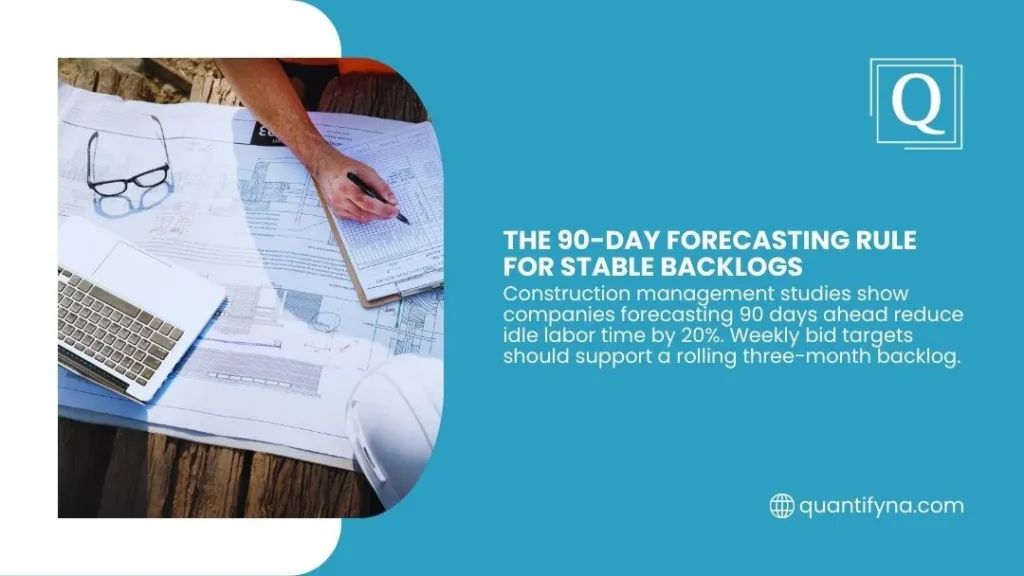
How to Bid Paint Jobs by Square Foot and Its Impact on Volume
Square foot pricing can simplify quoting, but it can distort production planning if not grounded in measured output.
To refine how to bid paint jobs by square foot, break projects into categories:
- Open wall areas
- Trim-intensive interiors
- High-ceiling exteriors
- Detailed commercial spaces
Each category carries a different production rate. For example, an open warehouse interior might allow 250 square feet per labor hour. A residential repaint with trim detail may drop to 120 square feet per hour. Using a blended rate hides inefficiencies and inflates forecasting errors.
When you misjudge square footage productivity, your close rate may improve temporarily due to lower pricing, but job duration increases. That forces you to revisit how many painting jobs should I bid per week because your crews remain tied up longer than planned.
Square foot pricing must align with verified historical labor output, material consumption averages, and crew skill level. Otherwise, volume planning becomes unreliable.
Where to Bid on Painting Jobs to Maintain Pipeline Stability
Pipeline stability determines whether your weekly bid volume stays predictable or swings wildly.
Instead of relying on one channel, build layered sourcing. Direct-to-homeowner marketing typically produces higher close rates but fluctuates with seasonality. Commercial bid platforms offer consistent opportunities but lower win percentages.
Develop relationships with property managers, restoration firms, and general contractors who award repeat projects without competitive rebidding. Repeat business increases the close rate and reduces the required bid volume.
Industry data consistently shows referral-based contracting businesses enjoy higher conversion ratios. That means you can reduce the number of painting jobs while maintaining steady revenue.
Also consider geographic concentration. Concentrated service areas reduce drive time, which increases crew productivity and lowers indirect labor costs. Strategic sourcing supports sustainable bidding targets.
Bidding Paint Jobs Without Burning Out Your Crew
Labor fatigue often stems from poor forecasting, not workload alone. When bid volume spikes without production alignment, crews compress schedules, rush surface prep, and skip drying time. That leads to callbacks, warranty work, and reputational damage.
The National Association of Home Builders has repeatedly highlighted labor shortages in skilled trades. Overloading crews worsens retention issues. To prevent burnout, track weekly labor utilization rates, maintain a 10%–15% buffer between projected and maximum capacity, and schedule preventative maintenance for equipment between projects.
If your crews operate at 95% capacity for months, burnout becomes inevitable. Improving bid accuracy in construction often reduces required weekly submissions because higher-quality bids convert at better rates.
A Practical Weekly Bid Planning Table
Below is a realistic scenario for a mid-sized painting company with two crews:
| Crew Count | Avg Weekly Production | Avg Job Size | Jobs Needed Weekly (Avg weekly production ÷ Avg job size | Close Rate | Bids Required (Job needed weekly ÷ Close rate) |
| 1 | $7,000 | $5,000 | 1.4 (1–2) | 45% | 3–4 |
| 2 | $14,000 | $6,000 | 2.33 (2–3) | 40% | 5–8 |
| 3 | $21,000 | $7,500 | 2.8 (3) | 35% | 8–10 |
Now the question of how many painting jobs should I bid per week becomes clear. It’s tied directly to how much work your crews can realistically execute.
The Cost of Bidding Too Little
Underbidding doesn’t always look dangerous at first. The calendar appears manageable. Crews finish early. But idle capacity drains profit quickly. Here’s how insufficient bidding affects performance:
| Area Impacted | Consequence of Low Bid Volume |
| Revenue Stability | Uneven cash flow cycles |
| Crew Utilization | Idle labor hours |
| Overhead Coverage | Reduced cost absorption |
| Pricing Discipline | Reactive discounting |
| Market Presence | Lower visibility |
When crews lack steady work, fixed expenses continue. Overhead doesn’t pause. That gap often forces last-minute discounting to fill schedules. Consistent bid planning prevents revenue droughts and stabilizes payroll commitments.
The Cost of Bidding Too Much
Excessive bidding drains time and administrative energy. Estimating requires site visits, takeoffs, supplier coordination, and proposal preparation. Overextension leads to diminishing returns.
| Resource Affected | Consequence of Excessive Bidding |
| Estimating Hours | Reduced operational oversight |
| Administrative Load | Proposal fatigue |
| Win Rate | Lower due to rushed preparation |
| Project Execution | Scheduling conflicts |
| Reputation | Missed deadlines |
If 30 hours per week go toward preparing bids with a 20% close rate, that is a significant time investment relative to actual revenue capture. Focused bidding yields stronger margins and better execution.
Weekly Bid Targets by Business Stage
Your stage of growth shapes your bidding strategy. Startups require higher activity levels to build brand recognition. Mature companies rely more on referral momentum.
| Business Stage | Typical Close Rate | Weekly Jobs Needed | Recommended Bid Volume |
| Startup (1 Crew) | 25–35% | 2 | 6–8 |
| Growth (2–3 Crews) | 35–45% | 3–5 | 7–12 |
| Established (4+ Crews) | 45–60% | 6+ | 8–14 |
As reputation strengthens, close rates improve. That reduces how many painting jobs should I bid per week to achieve the same revenue target. Recalculate quarterly to reflect production gains and pricing adjustments.

Take Control of Your Weekly Bid Strategy
So, how many painting jobs should I bid per week? Enough to support your revenue goal, adjusted for close rate, aligned with production capacity, and balanced against crew workload. Track your numbers for 90 days. Measure the close rate. Measure average job value. Measure labor hours.
Then apply the formula. Guesswork leads to feast-or-famine cycles. Discipline builds steady revenue. Volume alone will not protect your margins, so pair your weekly bid target with a method for prioritizing which jobs to bid first. If your painting company wants predictable growth, stable crews, and steady profit margins, start managing bid volume with precision.
For contractors seeking greater estimating accuracy and structured forecasting support, professional takeoff services and detailed quantity analysis can provide the clarity needed to make confident bidding decisions. The numbers tell the story. The discipline keeps it profitable.
If you’re ready to strengthen your estimating process and bring structure to your bid strategy, connect with Quantify North America and see how expert takeoffs can support smarter, more controlled growth.