Construction estimating is a very important component when it comes to building a project. It shows you exactly how much each part of the project will cost, helps prevent unexpected expenses, and ensures the project stays on schedule and within budget.
This is a crucial phase of any construction project because even small miscalculations in costs can significantly affect a contractor’s profit margin, and ultimately, the project’s success.
Construction estimating requires an in-depth analysis of direct and indirect costs, and each estimate needs to be as accurate as possible. Specialized estimating methods, like flooring estimating and painting estimating, make sure that every aspect of the project is accurately accounted for.
Construction Estimating Explained
As we mentioned, construction estimating is about predicting the total cost of a project by considering every potential expense. Successful projects always begin with a well-calculated estimate.
This includes direct and indirect costs such as:
| Cost Type | What It Covers |
| Labor | Wages for on-site workers, including skilled trades like electricians and carpenters |
| Materials | Concrete, steel, wood, and all physical components needed for construction |
| Equipment | Tools and machinery required to complete the project |
| Overhead | Administrative costs, permits, and legal fees |
| Equipment Mobilization | Transporting machinery and tools to the job site |
| Insurance | Coverage for potential risks during the project |
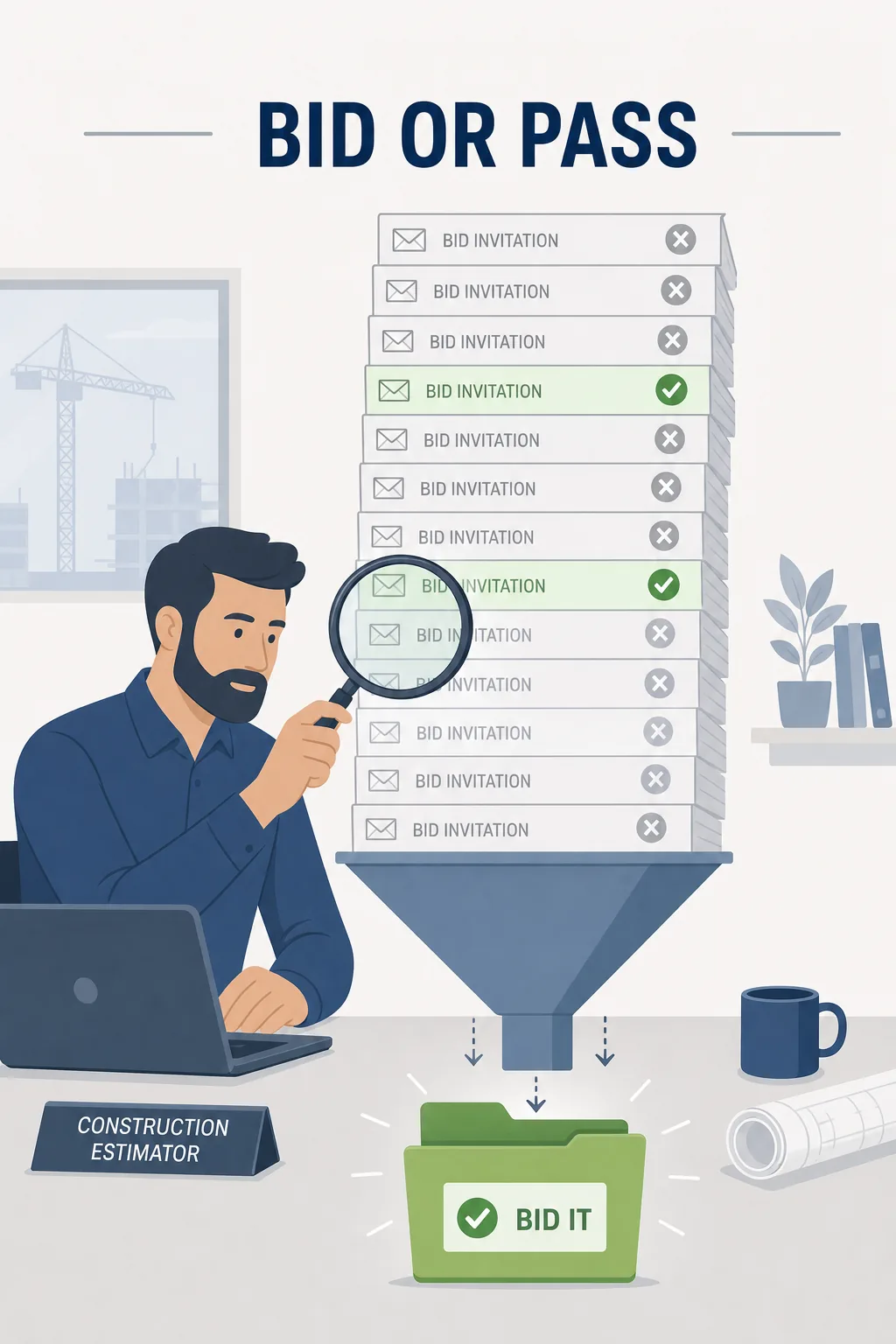
For example, consider a contractor bidding on a large commercial building. To formulate an accurate estimate, they will first review the bid package provided by the client.
This package contains construction specifications, contract documents, and detailed steps for each phase of the project.
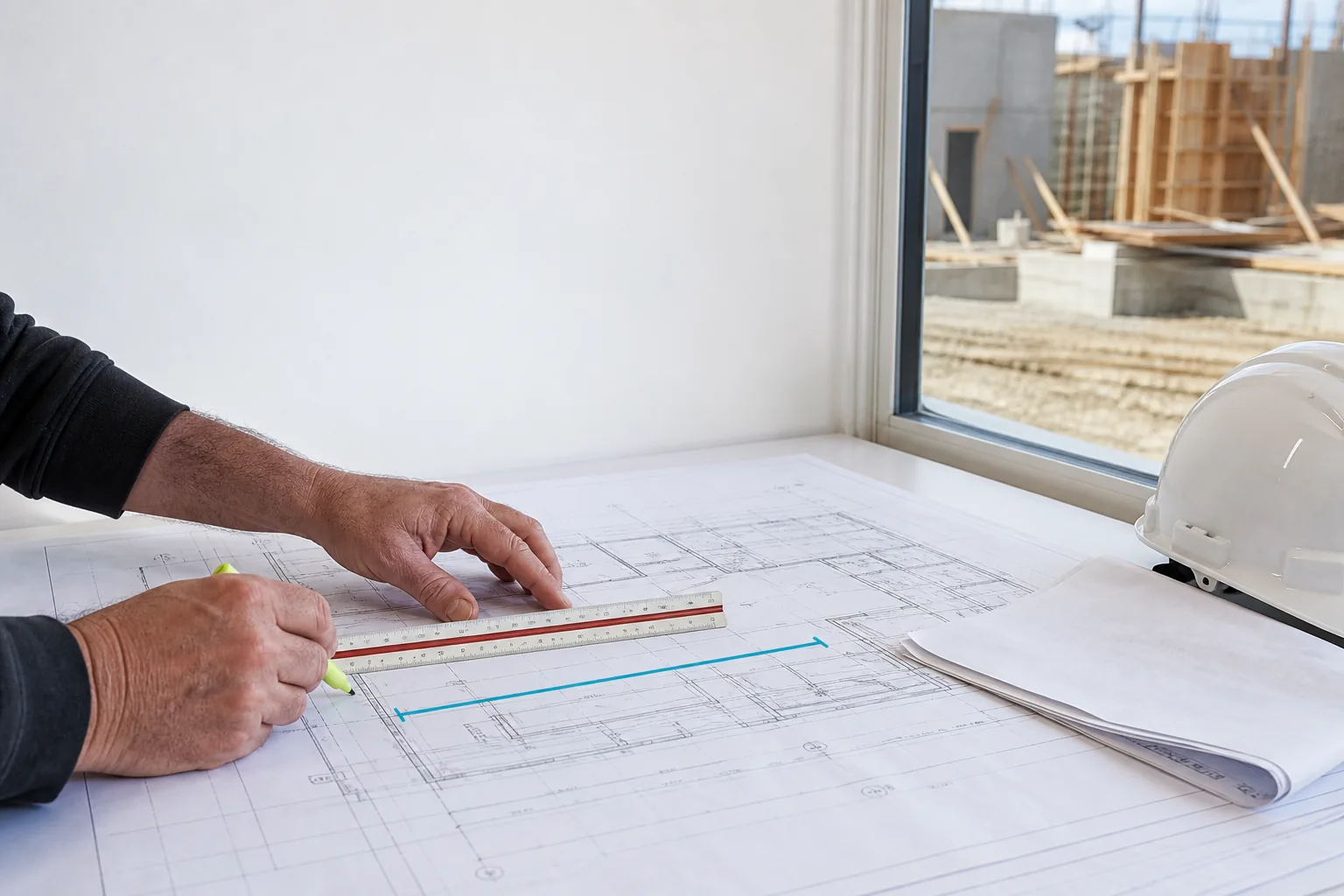
From there, they perform a “quantity takeoff”—a process where the dimensions of the project are measured, and the materials, labor, and other resources are quantified.
Why is Construction Estimating Important?
Accurate estimating is important for the success of any construction project, benefiting both owners and contractors. Cost estimates are the foundation that moves a project from preconstruction to completion.
Without an understanding of a project’s costs, owners cannot determine if it is feasible within the allocated budget. After the preliminary estimating, adjustments in design or scope may be necessary to meet the project’s financial constraints.
Contractors, too, rely on accurate estimates to prepare competitive and profitable bids. Knowing the costs can force contractors to reduce their profit margin to cover project expenses, while overestimating might result in bids that are too high, leading to a loss in competitive advantage.
Even in negotiated bidding, construction estimates must strike a balance between the owner’s budget and the contractor’s profit.
Cost influences every major decision made throughout a construction project. During bidding, contractors need competitive cost estimates that include their profit margins to win projects, while stakeholders estimate reasonable budgets through their own research.
Inaccurate estimations can negatively impact a project, causing it to exceed the budget or forcing cost-cutting measures.
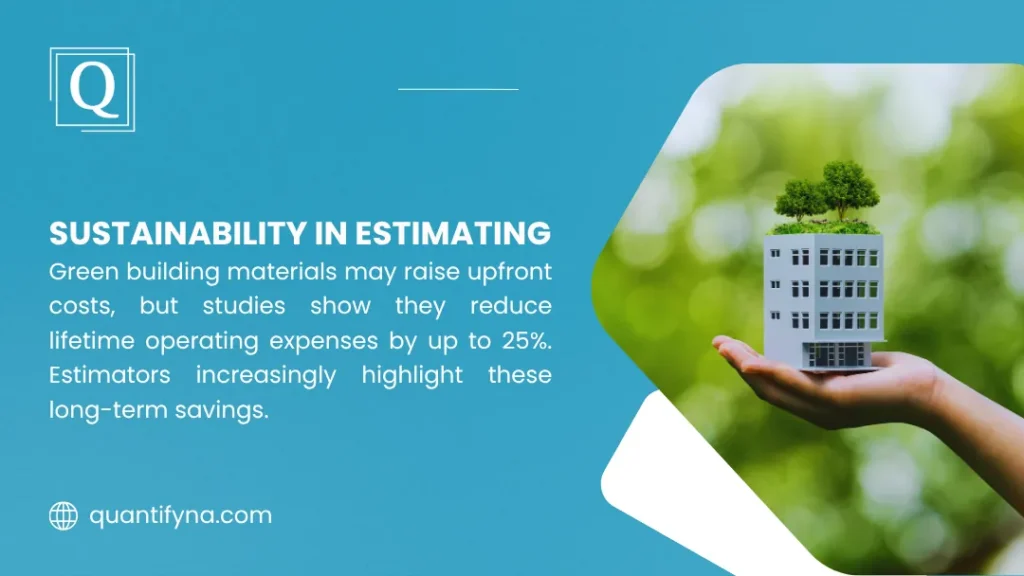
Accurate cost estimating also helps reduce operational or maintenance expenses. Though certain choices may initially increase the project budget, they can yield long-term benefits. For example, installing solar panels onto commercial buildings may raise the upfront cost but lead to substantial savings on electricity bills over time.

How to Become an Expert in Construction Estimating – 8 Steps To Follow
Here are the 8 steps you can follow, to become better in construction estimating
1. Practice Construction Drawing Reading
You need to know that blueprints and specifications are very important to make accurate estimates.
Read architectural, structural, electrical, and plumbing drawings to see all project requirements and spot if there are any problems.
Learn the symbols, dimensions, and notes for each trade, as they affect material amounts and installation methods.
2. Learn Multiple Estimation Software Programs
Today’s estimating depends a lot on digital tools that make calculations faster and more accurate. Learn to use popular software to stay competitive in the market.
Software Type | Popular Options | Best For |
Digital Takeoff | PlanSwift, Bluebeam, STACK | Measuring from digital plans |
Database Estimating | RSMeans, Sage Estimating | Cost databases and templates |
Spreadsheet Tools | Excel, Google Sheets | Custom calculations |
3. Build Strong Supplier Relationships
Getting the right prices depends on having trustworthy suppliers. Work closely with material suppliers, equipment providers, and subcontractors.
Stay in regular contact to know about price changes, stock availability, and market trends. Good relationships can lead to better deals and faster service when things get busy.
4. Study Historical Project Data
Track actual costs from completed projects to identify patterns and improve future estimates. Compare estimated costs to final expenses to understand where estimates typically run high or low.
Data Category | What to Track | Why It Matters |
Labor Productivity | Hours per unit completed | Improves future labor estimates |
Material Waste | Actual vs estimated usage | Refines waste factors |
Equipment Costs | Operating and rental expenses | Better equipment budgeting |
5. Know The Local Market Conditions
Construction costs change a lot depending on location and the local market. Check local labor rates, material availability, and rules that affect project costs.
Keep an eye on things like employment rates, construction permits, and material prices because these affect both labor and material costs in your area.
6. Develop Risk Assessment Skills
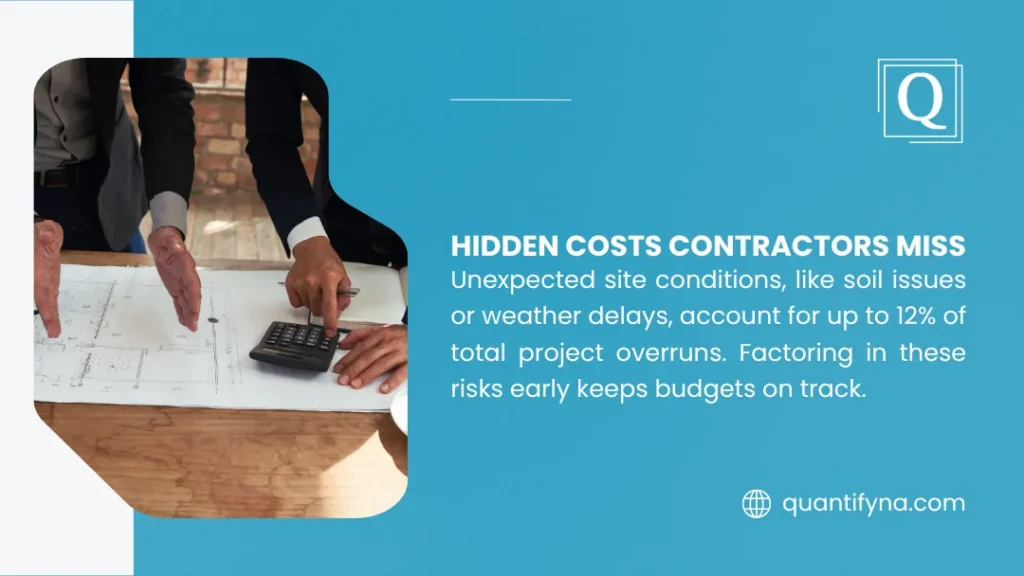
Identify potential project risks that could increase costs beyond initial estimates. Learn to evaluate site conditions, weather impacts, and schedule challenges that affect project expenses.
Create contingency allowances based on project complexity and risk levels. Simple projects might need 3-5% contingency while complex projects may require 10-15% or more.
7. Master Value Engineering Techniques
Learn to identify cost-saving opportunities without compromising quality or function. Value engineering skills help contractors provide competitive bids while maintaining profit margins.
Study alternative materials, construction methods, and design modifications that reduce costs. Present these options to clients as ways to meet budget constraints without sacrificing project goals.
8. Stay Current with Industry Technology
Construction technology evolves rapidly, creating new opportunities for cost savings and efficiency improvements. Follow industry publications and attend training sessions on emerging technologies.
Technology Area | Current Trends | Impact on Estimating |
Building Information Modeling (BIM) | 3D modeling integration | More accurate quantity takeoffs |
Artificial Intelligence | Automated pattern recognition | Faster estimate preparation |
Mobile Applications | Field data collection | Real-time cost verification |
Successful estimators commit to lifelong learning because construction methods, materials, and regulations constantly change. The investment in developing these skills pays dividends through more accurate estimates and higher win rates on profitable projects.
Do you need a Construction Estimator?
Any construction company that seeks work, wants to build lasting relationships with clients, and hopes to earn a healthy profit must always provide accurate bids. Achieving that accuracy requires more than simply mathematics, it requires the expertise of a construction estimator.
Estimators don’t simply provide a number as cost estimation, they also add additional value to your situation. They know how to manage risk and provide contingency plans, they are experts in current marketplace trends, they have solid relationships with vendors and suppliers for accurate pricing, and they understand all direct and indirect costs. All of these abilities are needed to deliver proper bids that are accurate to the size and cost of the project as well as competitive.
To attempt this type of situation without an estimator is a risk to the reputation and profitability of your company. A professional estimator does the job of assuring that your bids are not only accurate but also in the best position to earn contracts in the competitive marketplace.
Get Expert Construction Estimates Today From Quantify North America
Work with our expert team to make your construction estimates faster and more accurate. We provide reliable takeoffs that help you meet deadlines, win more bids, and improve your profits. Contact us today and let us provide an accurate construction estimate for your project.