Homeowners planning renovations face a common problem: drywall costs that spiral beyond initial budgets. Most estimates focus only on sheet prices while missing labor, finishing, and prep work that often cost more than materials.
As a project estimator, I have watched many projects go over budget just because contractors didn’t understand the full scope of drywall cost. The contractors and homeowners who stay on budget share one thing: they plan for every expense upfront.
In this article, you’ll find a complete guide to drywall costs — what they are, the factors that influence them, and practical ways to reduce expenses.
What Affects Drywall Cost?
Drywall cost varies significantly based on multiple factors that impact both materials and labor. Understanding these variables helps create accurate budget estimates for any project size.
Material type and thickness directly influence base costs. Standard 1/2-inch drywall costs less than specialty moisture-resistant or fire-rated sheets.
Project size affects pricing because larger projects often get volume discounts on materials. Labor rates per square foot also decrease as project size increases due to efficiency gains.
Ceiling height impacts both material waste and labor expenses. Standard 8-foot ceilings cost less than 10-foot or vaulted ceilings that require additional sheets and installation time.
Finish level requirements significantly affect total drywall cost. Basic Level 3 finishes need less labor and materials than premium Level 5 finishes with multiple coats and extensive sanding.
Cost Factor | Low Impact | High Impact |
Sheet Type | Standard 1/2″ drywall | Fire-rated or moisture-resistant |
Ceiling Height | 8-foot standard | 10+ foot or vaulted |
Finish Level | Level 3 basic | Level 5 premium |
Project Complexity | Simple rectangular rooms | Multiple angles and curves |
Drywall Material Cost Breakdown
Material expenses represent 30-40% of total drywall cost on most projects. Knowing current prices for each component helps create accurate estimates.
| Material | Cost Range | Coverage/Notes |
| Drywall Sheets (4×8) | $12-$20 per sheet | Standard panels, varies by thickness |
| Drywall Sheets (4×12) | $18-$30 per sheet | Reduces seams, faster installation |
| Joint Compound | $15-$25 per bucket | 1 bucket per 100-150 SF |
| Tape & Fasteners | $50-$100 | Per 1,000 SF |
| Corner Bead | $2-$5 per piece | 8-foot lengths |
Understanding complete material costs helps with accurate drywall estimating that protects your budget and prevents mid-project surprises.
Labor Cost Components
Labor represents 50-60% of total drywall cost and varies widely based on location, project complexity, and finish requirements. Breaking down labor helps understand where money goes.
Labor Activity | Time Per 100 SF | Typical Rate Range |
Hanging Drywall | 1-2 hours | $40-$80 |
Taping Joints | 1.5-2.5 hours | $60-$125 |
Mudding & Sanding | 2-3 hours | $80-$150 |
Final Finishing | 1-2 hours | $40-$100 |
The labor cost to hang and finish drywall depends heavily on local wage rates and crew experience levels that affect both speed and quality.
Average Drywall Cost by Project Type
Different project types have typical drywall cost ranges based on size, complexity, and finish requirements. These averages help with initial budget planning.
| Project Type | Square Footage | Typical Cost Range |
| Small Room Addition | 12×12 room | $800-$1,500 |
| Whole House Drywall | 2,000 SF | $8,000-$16,000 |
| Basement Finishing | 800-1,000 SF | $4,000-$8,000 |
| Ceiling Replacement | Single room | $600-$1,200 |
| Garage Drywall | 400-600 SF | $2,000-$4,000 |
Hidden Costs in Drywall Projects
Many drywall cost estimates miss important expenses that only become apparent during projects. Planning for these costs prevents budget overruns.
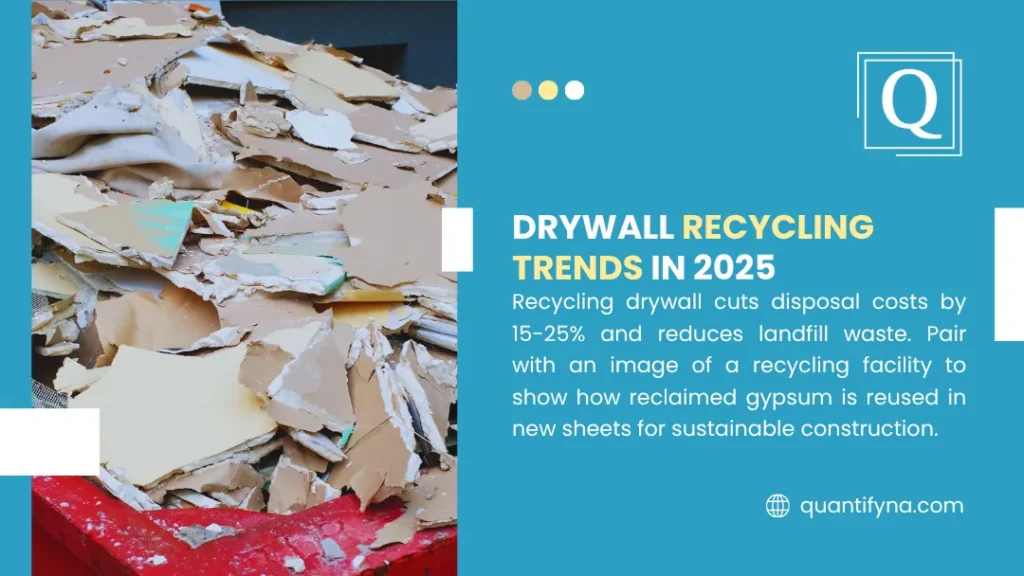
Demolition and disposal of existing drywall adds $1-$2 per square foot. Removal, hauling, and dump fees add up quickly on renovation projects.
Insulation installation often happens before drywall and costs $0.50-$2 per square foot depending on R-value and material type. New construction and exterior walls need proper insulation.
Electrical and plumbing modifications may be needed before hanging drywall. Moving outlets or adding fixtures increases project complexity and costs.
Texture application for walls or ceilings adds $0.50-$2 per square foot. Smooth finishes cost less than heavy textures that require specialized equipment.
Primer and paint aren’t technically part of drywall cost but are necessary to complete projects. Budget $0.50-$1.50 per square foot for basic primer and two coats of paint.
DIY vs Professional Drywall Cost
Homeowners often consider DIY drywall to save money, but the cost comparison isn’t straightforward. Understanding the full picture helps make informed decisions.
DIY material costs stay the same as professional jobs, but you’ll need to buy or rent tools. Lifts, saws, and finishing tools add $200-$500 to first-time DIY projects.
Time investment for DIY work is substantial. Professionals complete in days what takes homeowners weeks of evenings and weekends.
Quality differences between DIY and professional work show up in finishing. Poor finishing requires expensive repairs that eliminate any savings from DIY labor.
Professional installation costs $1.50-$3 per square foot for labor but includes expertise, proper tools, and completed work in days instead of weeks.
Approach | 1,000 SF Project Cost | Timeline | Quality Result |
Full DIY | $800-$1,200 | 3-4 weeks | Varies widely |
Professional | $2,500-$4,000 | 3-5 days | Consistent quality |
Most homeowners save money hiring professionals for drywall finishing even if they hang sheets themselves. Finishing requires skill and practice that DIY workers rarely have.

How to Reduce Drywall Cost
Smart planning helps control drywall cost without sacrificing quality. These strategies reduce expenses while maintaining good results.
- Plan sheet layout carefully to minimize waste. Using full sheets without excessive cutting reduces material needs and speeds installation.
- Choose finish levels wisely. Garages and utility rooms don’t need high-cost Level 5 finishes that living spaces might require.
- Schedule projects during slow seasons. Winter months often bring lower labor costs in many markets.
- Get multiple contractor quotes. Aim for at least three to understand market rates and spot unusually high or low bids.
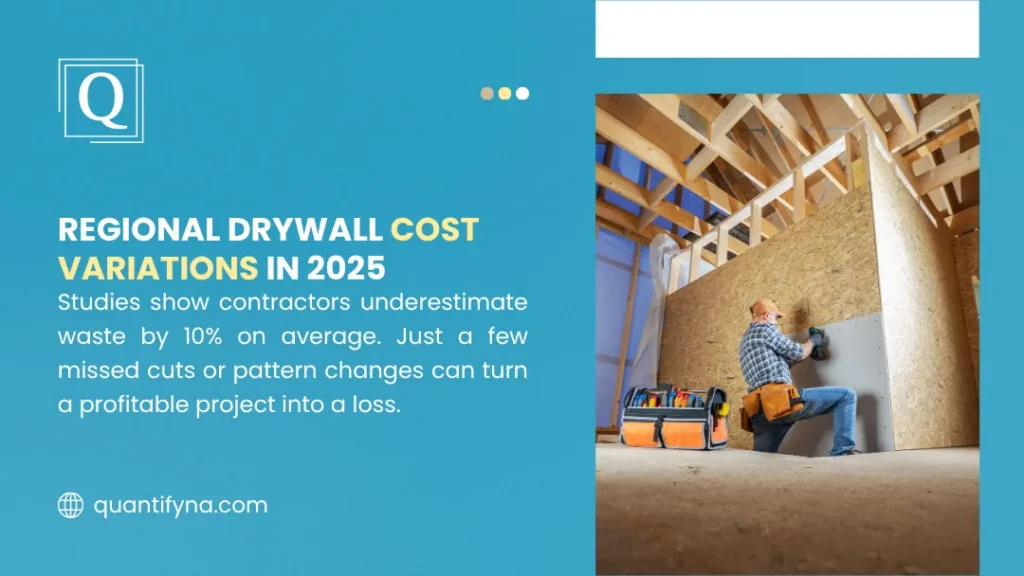
- Buy materials directly when possible. Purchasing from suppliers can save 10–20%, though contractors sometimes secure better trade pricing.
- Bundle projects together. Contractors often give better rates for larger jobs, and doing multiple rooms at once lowers per-square-foot costs.
Conclusion
Understanding complete drywall cost helps plan construction projects accurately and avoid budget surprises. Material expenses represent only part of total costs, with labor and finishing making up the majority.
Project complexity, finish level, and location all significantly impact final drywall cost. Getting detailed quotes that break down materials, labor, and additional expenses provides clarity for budget planning.
Whether hiring professionals or considering DIY work, knowing what drives drywall cost helps make informed decisions. Proper planning and realistic budgets lead to successful projects completed on time and within budget.
Remember that quality drywall installation and finishing provides value through durability and appearance. Cutting costs too aggressively often leads to poor results that cost more to fix than doing it right initially.
The #1 Most Trusted Drywall Cost Planning Partner For Contractors
Quantify North America has helped contractors across North America implement accurate cost planning and estimating solutions for over 15 years. Our team knows the real challenges drywall contractors face and works with you directly to find practical solutions that keep your projects profitable.
Contact Quantify North America today to learn how our expert services can help you understand and control drywall costs while winning more competitive bids. We’ll evaluate your current process and recommend the best solutions for your specific business needs.